


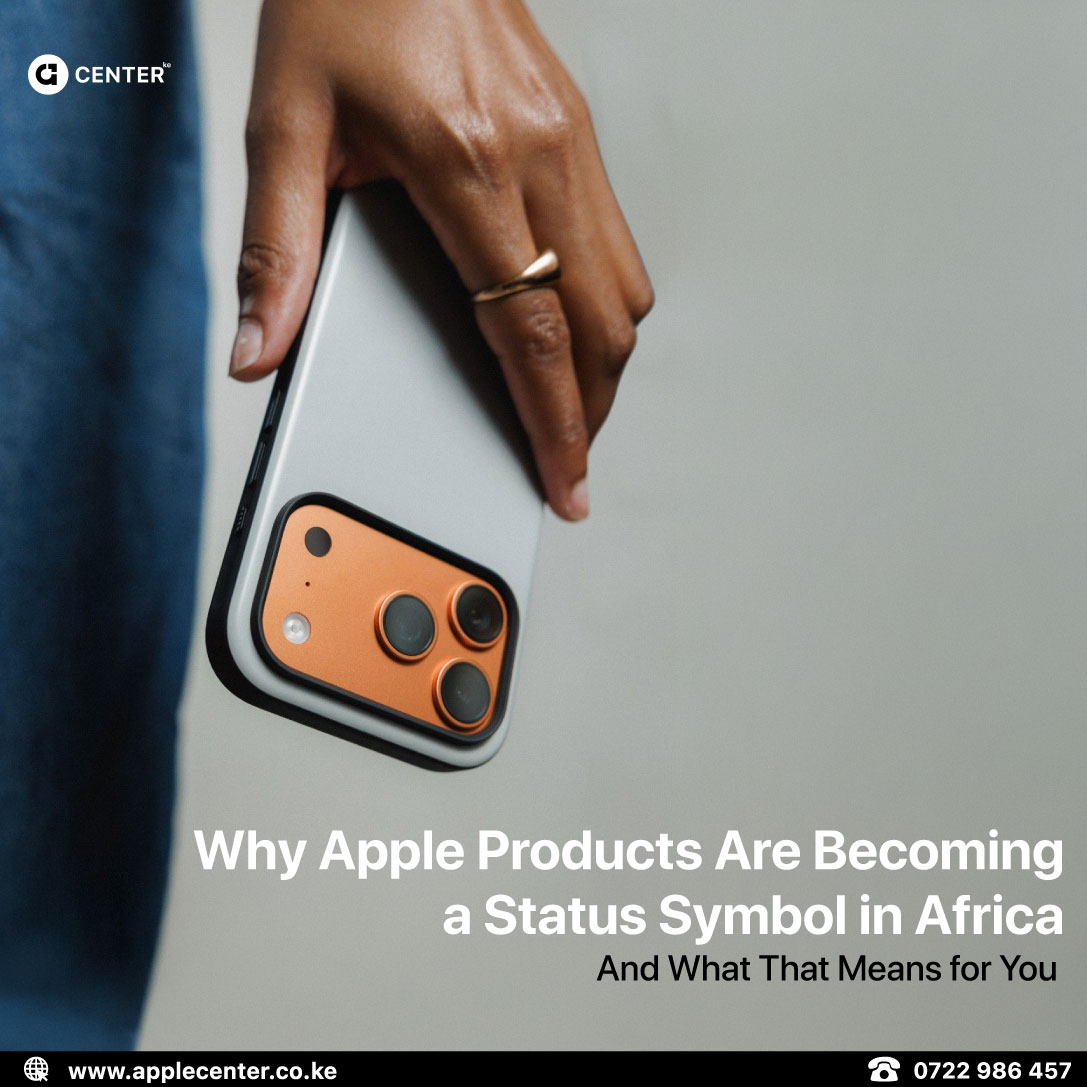
Why Apple Products Are Becoming a Status Symbol in Africa And What That Means for You
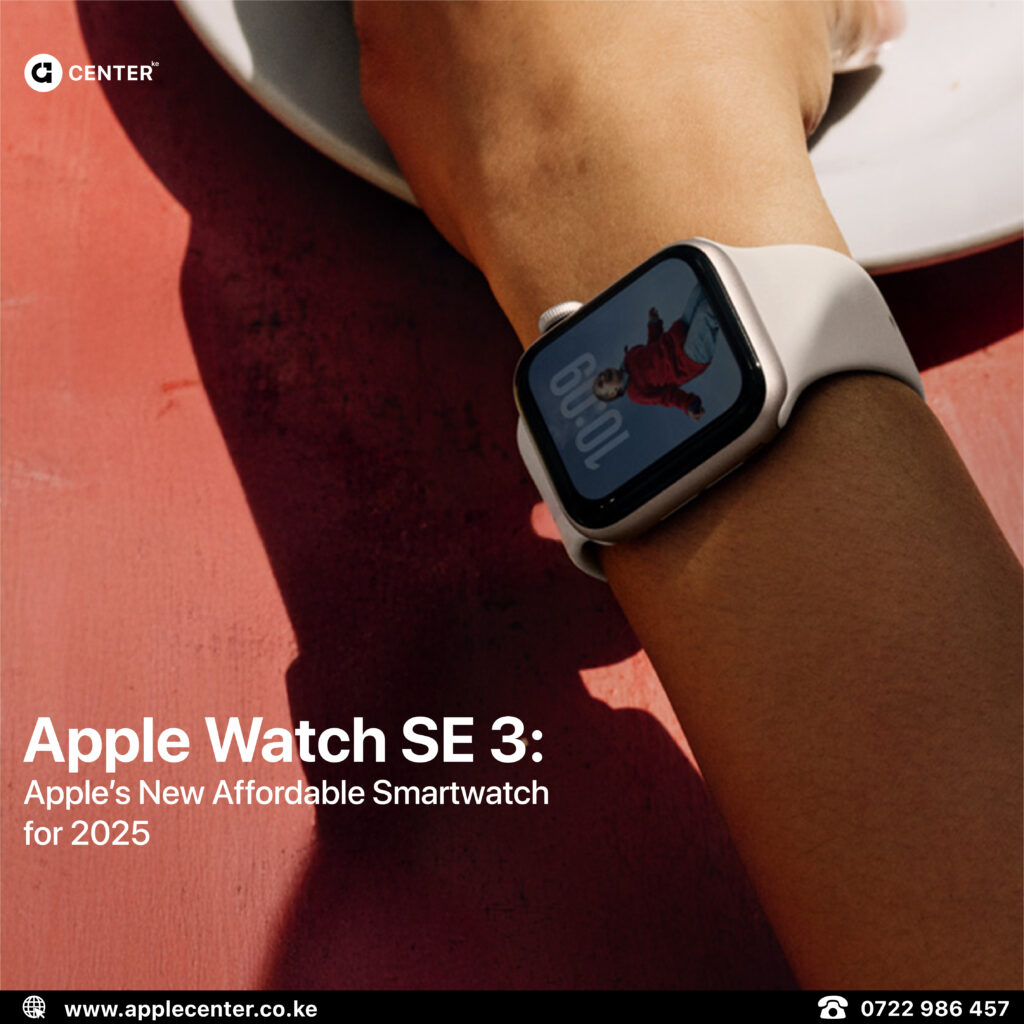
Walk through Nairobi, Lagos, Accra, or Johannesburg and you will notice something interesting. Apple devices are not just tools anymore. They have become part of the cultural signal. An iPhone peeking out of a pocket, a MacBook on a coffee shop table, or an Apple Watch tapping for payments has turned into a type of unspoken language. It represents ambition, taste, and the type of digital confidence that young Africans are leaning into.
The shift is not superficial. It is social, practical, and even economic.
Apple as a Marker of Trust and Quality
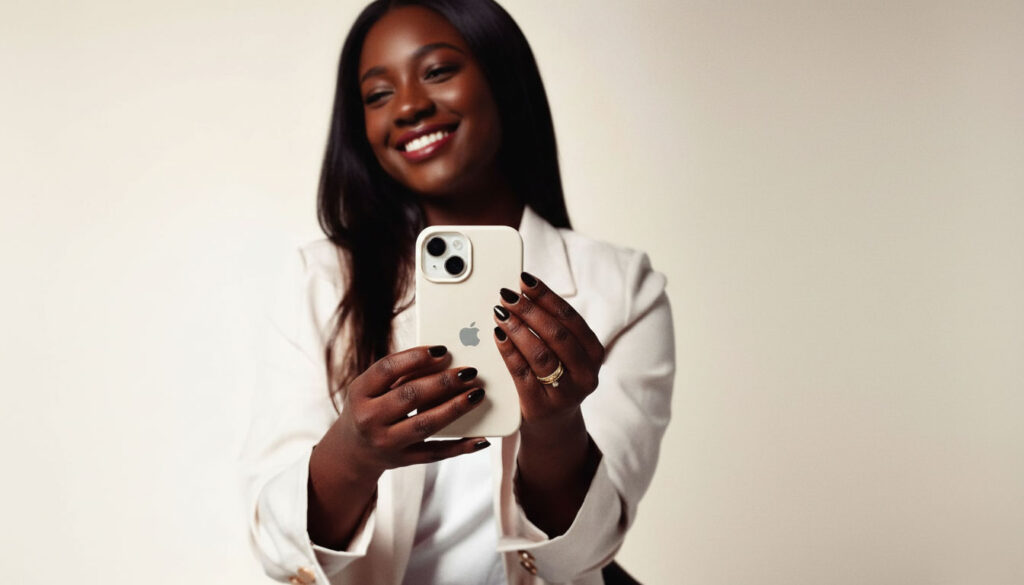
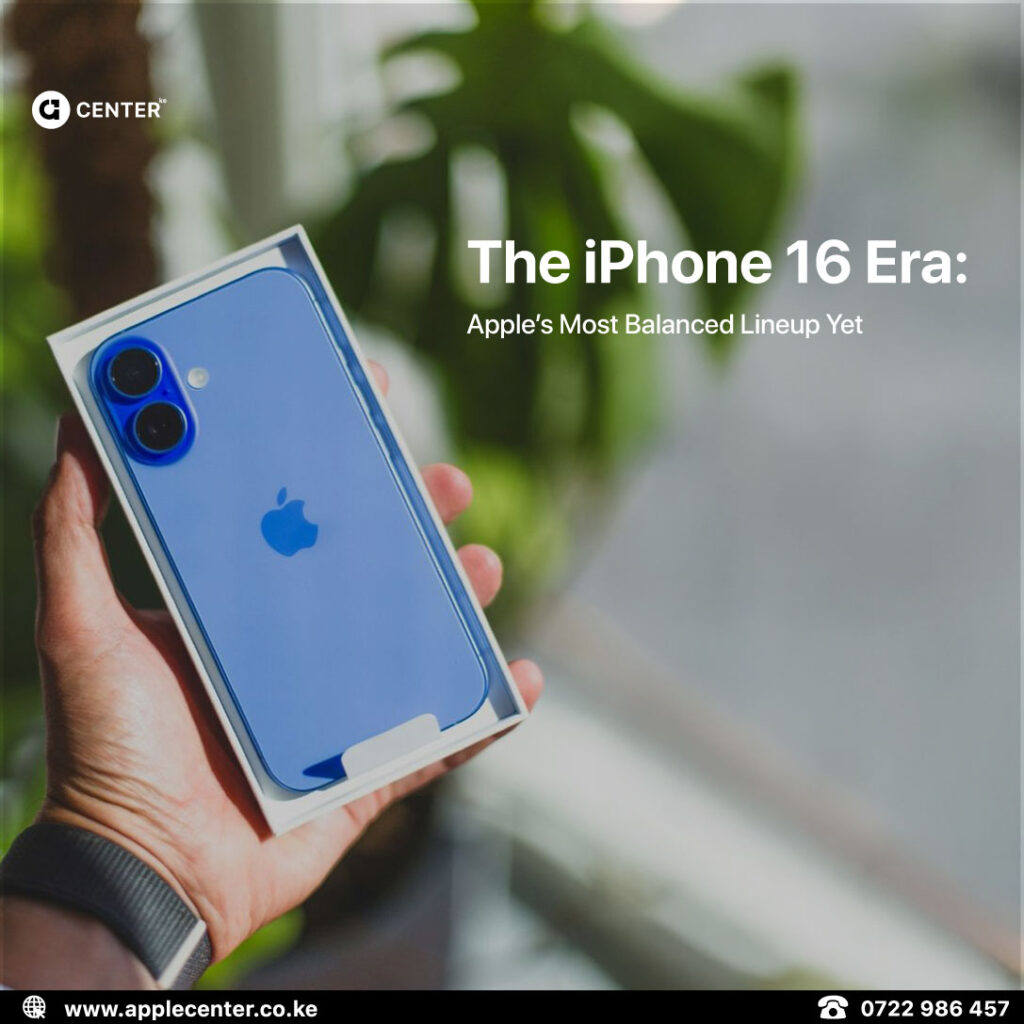
Across the continent, people are tired of disposable tech. Phones that age badly, laptops that slow to a crawl after a year, and devices that need constant repairs. Apple escapes that trap. Their products hold value for years, which is why resale pricing in Kenya is practically a sport. An iPhone 13 in 2025 still carries weight. Not just socially, but financially. Owning Apple signals someone who buys once and buys smart, not someone replacing devices every twelve months.
People trust Apple because it consistently delivers the same thing Africans value most in tech. Stability. Longevity. Clean design. Fewer headaches.
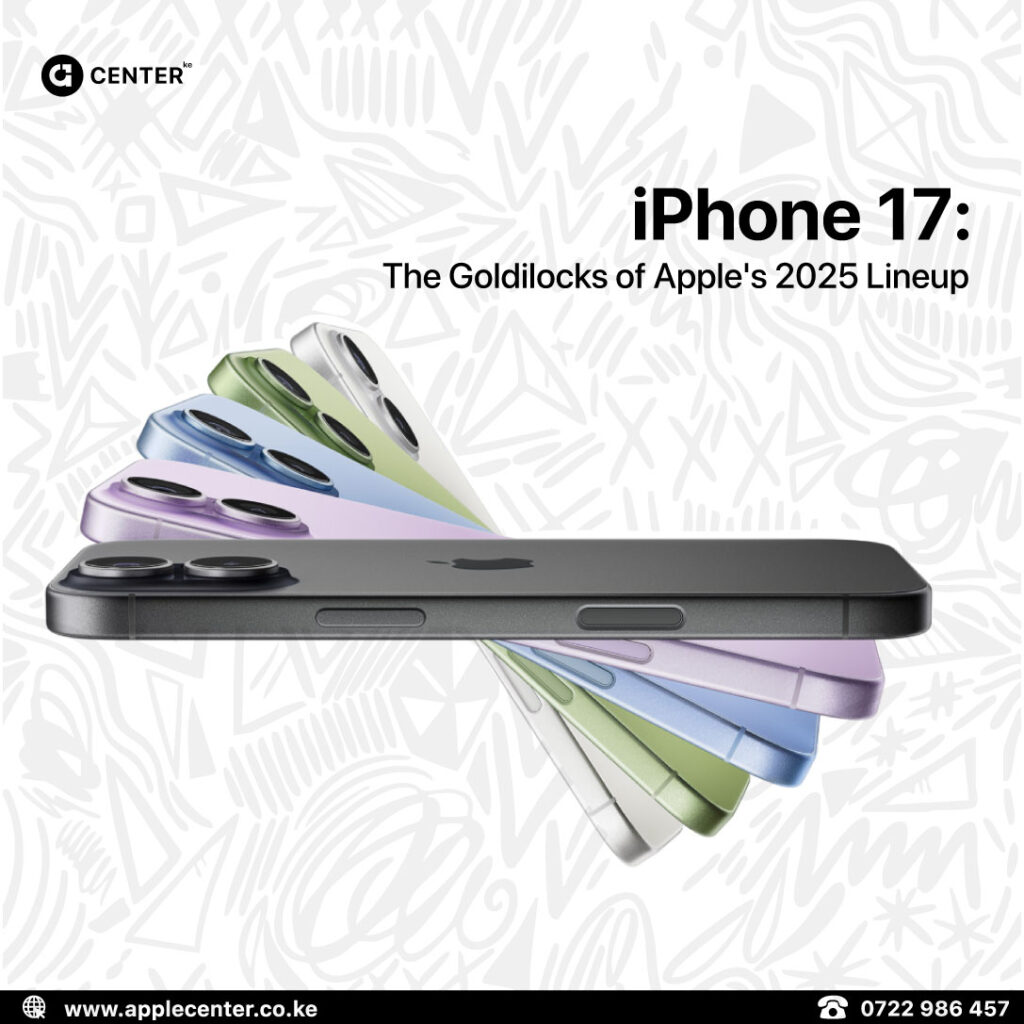
The Social Currency of the iPhone
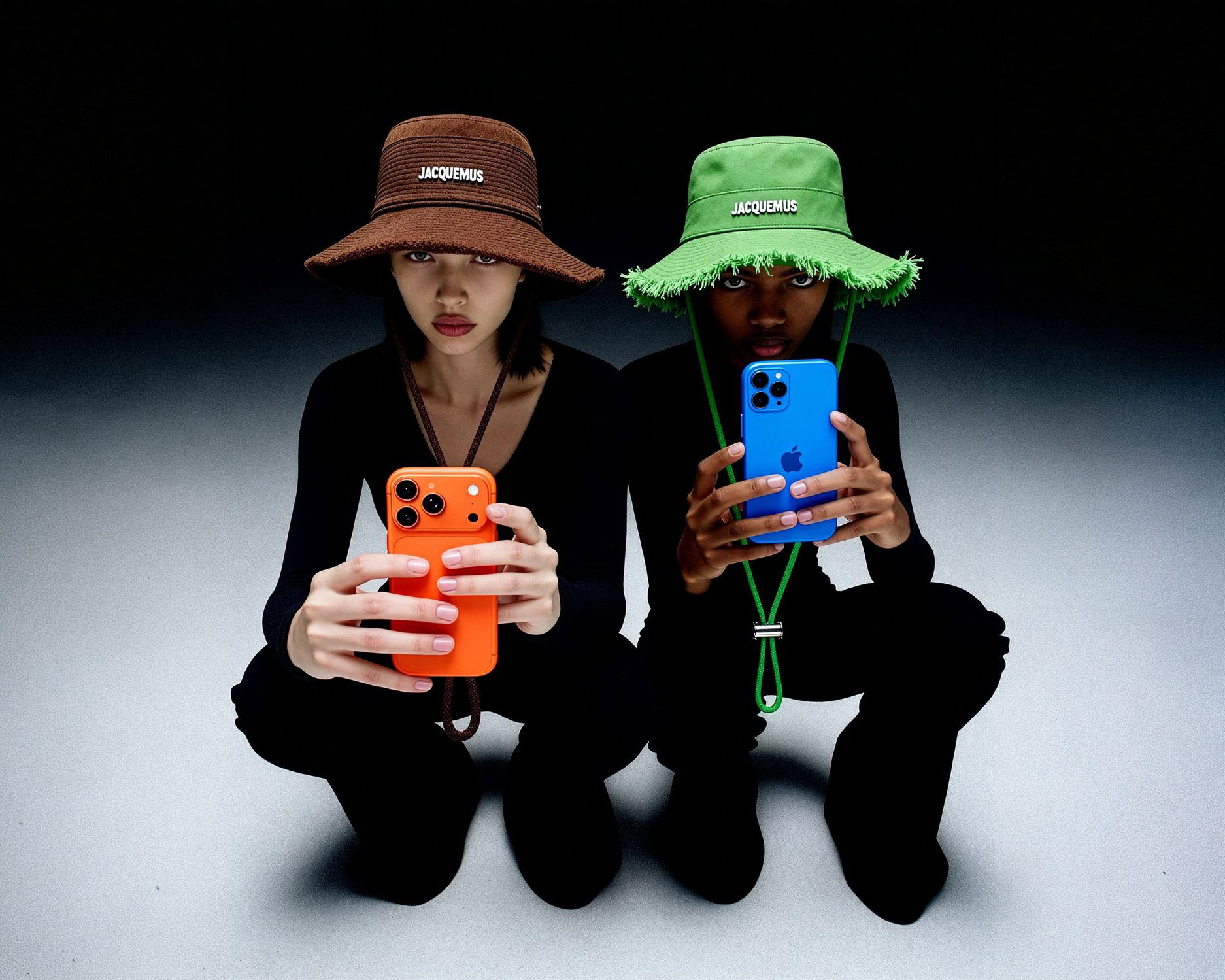
Let’s be honest. Pull out an iPhone in a room and the energy shifts. It is not about showing off. It is about fitting into a digital ecosystem that many people want entry to.
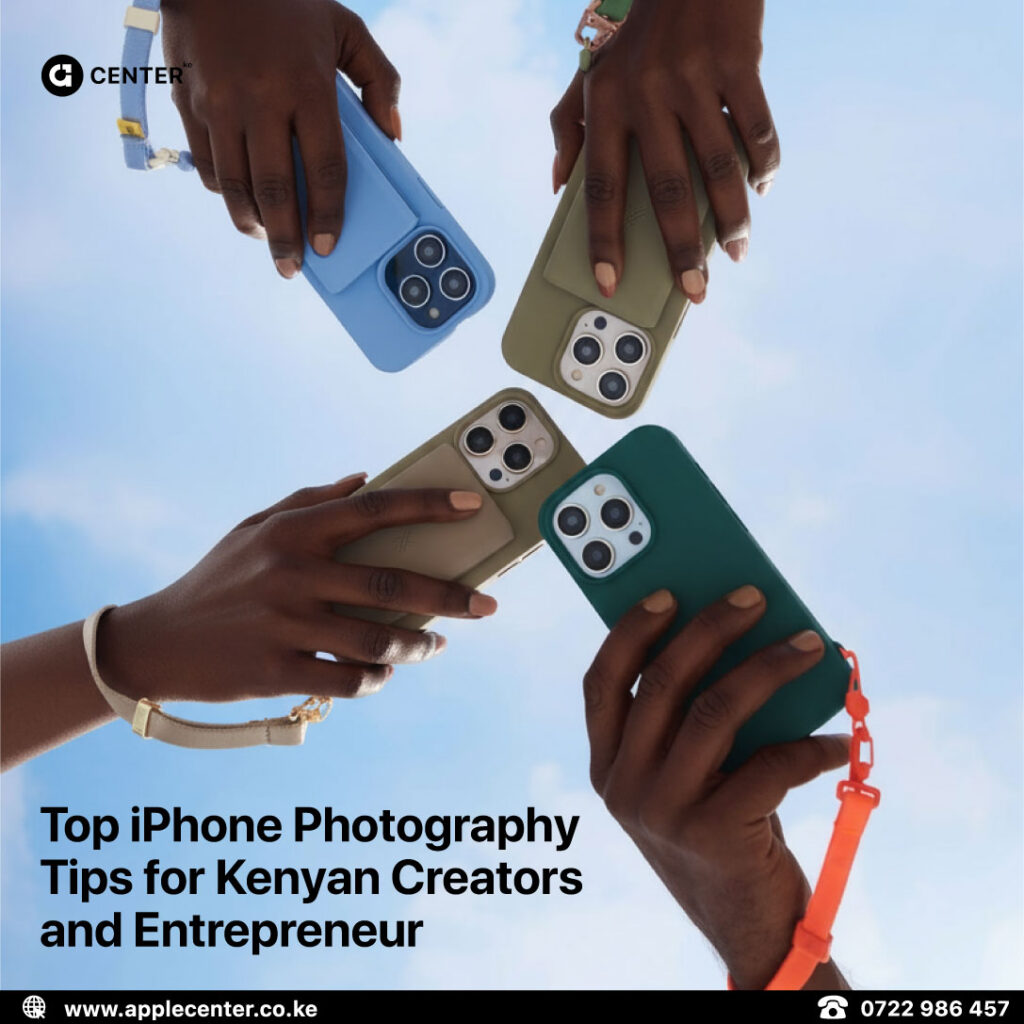
In a culture where online identity is growing fast, the iPhone has become a creative badge. From group photos on WhatsApp to quick AirDrop exchanges at events, it sets a tone. African content creators have pushed this even further. With the quality of the cameras and the versatility of mobile editing apps, more YouTubers, TikTokers, and photographers are using their iPhones as primary tools. The “Shot on iPhone” stamp has become a subtle flex that communicates both capability and intention.
The Ecosystem Effect
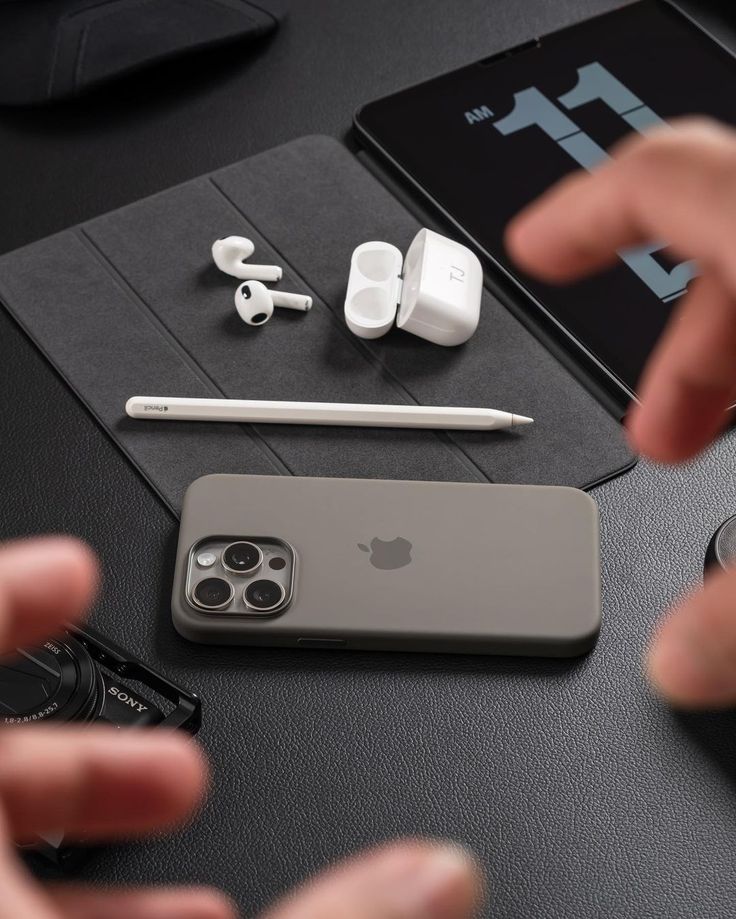
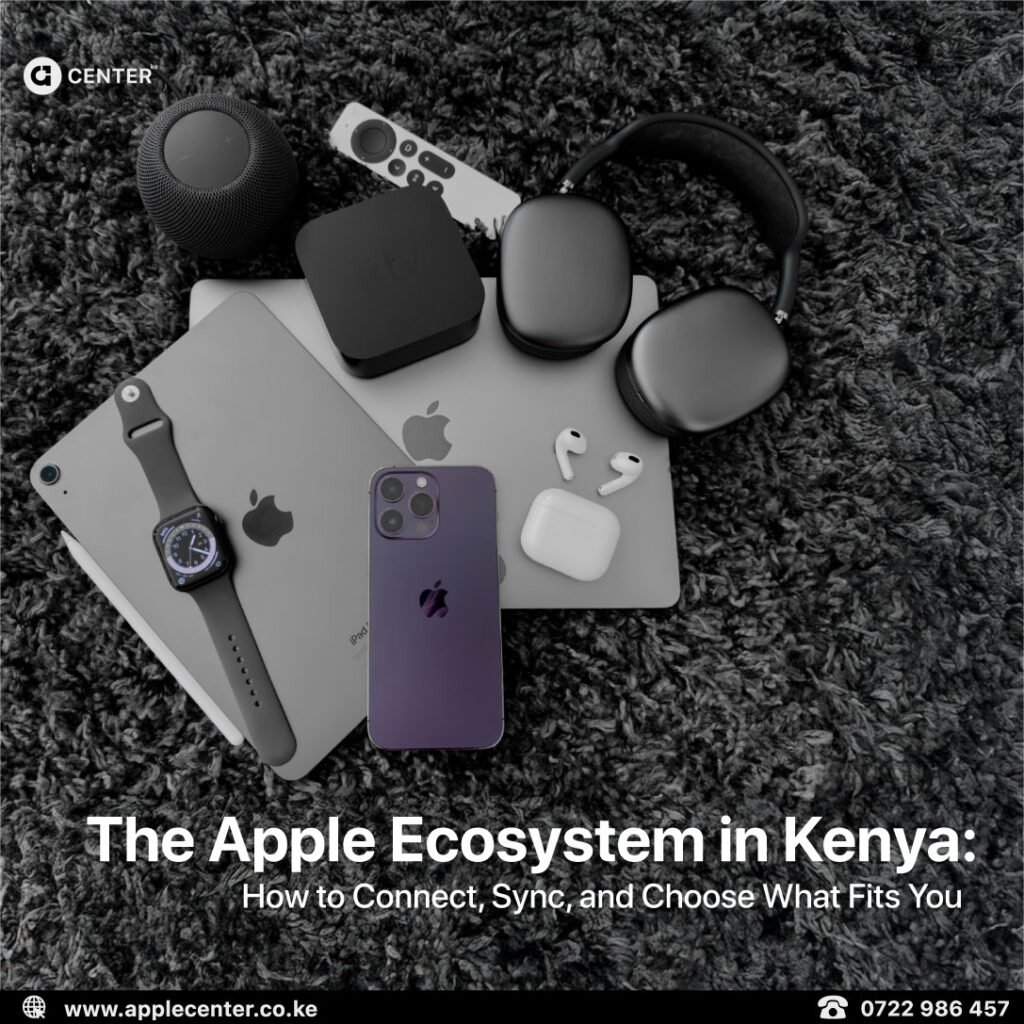
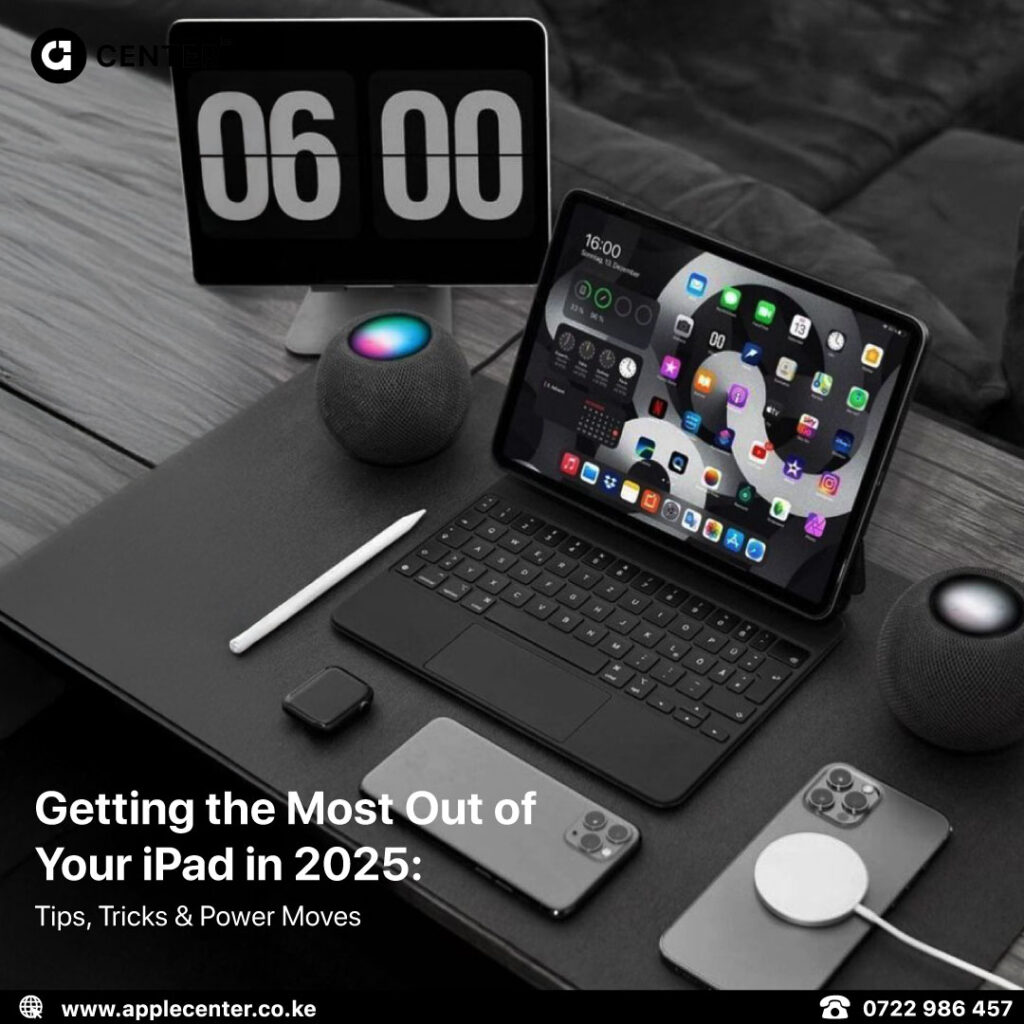
The real advantage is not the phone itself. It is what happens when the devices start talking to each other. Your MacBook picks up calls from your iPhone. Your Apple Watch unlocks your Mac. Your AirPods switch automatically when you move from laptop to phone. It turns your daily tasks into a smooth chain of quiet automation.
For Kenyans balancing business, creativity, school, fitness, or side hustles, this kind of integration saves time and cuts friction. It becomes less about the device and more about how efficiently your whole digital life runs.
What This Means for a Kenyan Buyer

The gap between aspiration and access is closing fast. Stores across the continent, including dedicated Apple retailers in Nairobi, now offer genuine products with reliable after sale support. You no longer need to travel abroad to get the real thing, and you do not have to gamble with grey market devices.
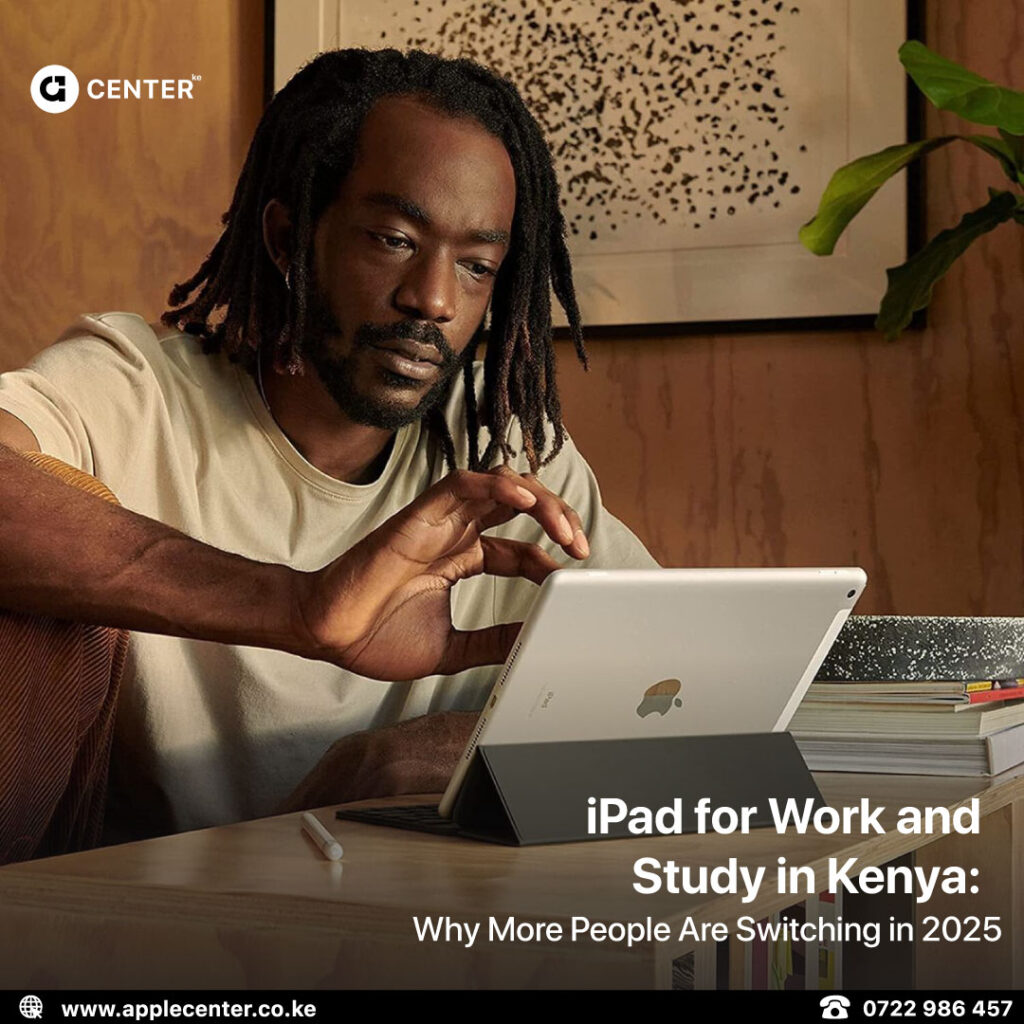
For young professionals and creators, Apple is becoming a career tool as much as a lifestyle choice. It communicates reliability. It supports productivity. And yes, it still looks good.
The Bigger Picture

Apple’s rise in Africa says something about where the continent is heading. It reflects a generation that values quality over clutter and long term thinking over short term fixes. It shows a shift toward digital professionalism, personal branding, and smarter living.
Owning an Apple device is no longer about luxury. It is about identity, intention, and the confidence to invest in tools that match your ambitions. Africa is not trailing behind the global tech conversation. It is actively shaping it.