
The Origin Story of Apple (1976–2011): From Garage Startup to Tech Icon
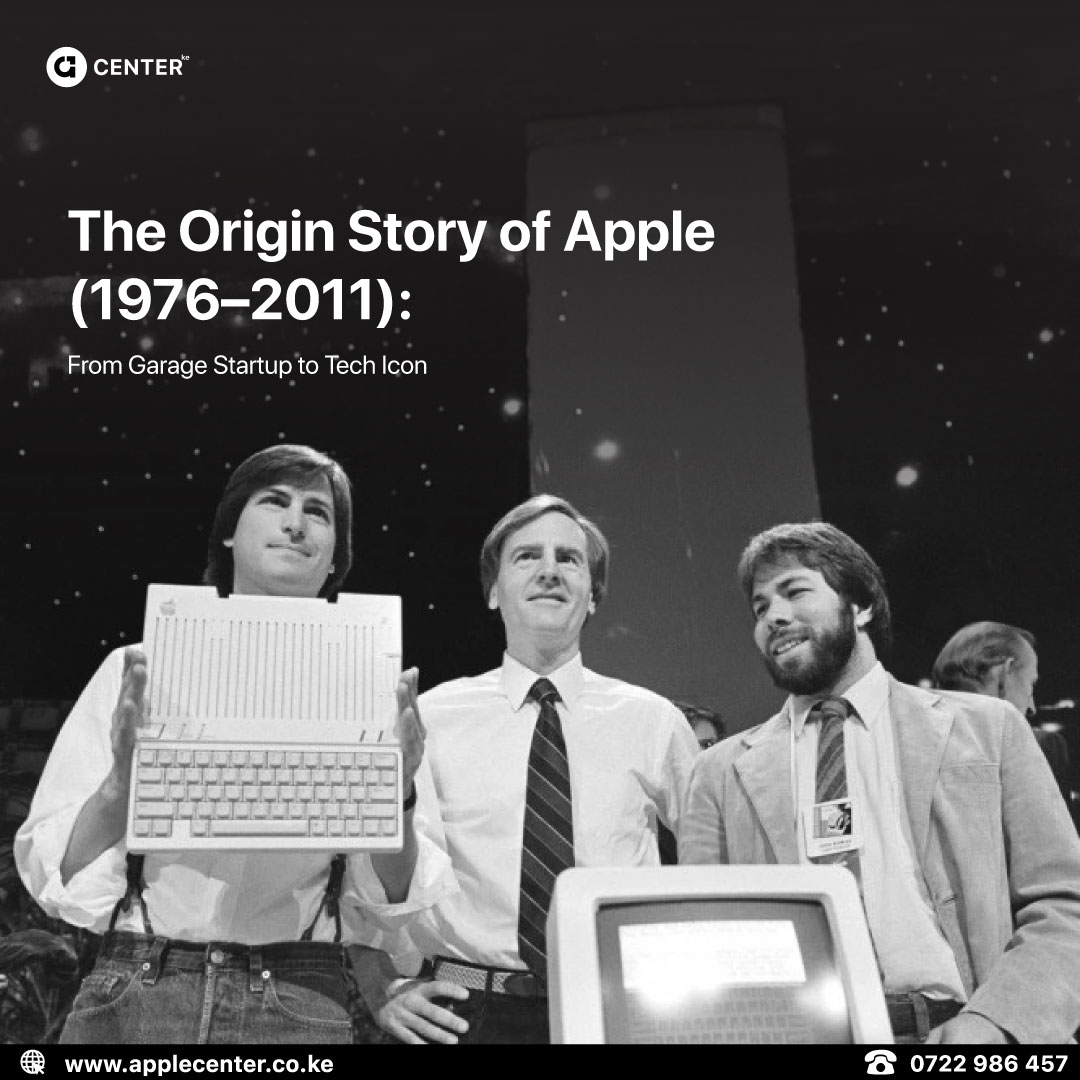
Apple’s journey really does read like a tech fairy tale. It starts with two young rebels building computers in a Los Altos garage and ends, 35 years later, with a company that reshaped music, phones, and personal computing. Between 1976 and 2011, Apple hit dizzying highs, face-planted hard in the ‘90s, then pulled off one of the most dramatic comebacks in business history, all culminating in 2011 when Steve Jobs steps down as CEO and Tim Cook takes over.
The Garage Start: Apple I and Apple II (1976–77)

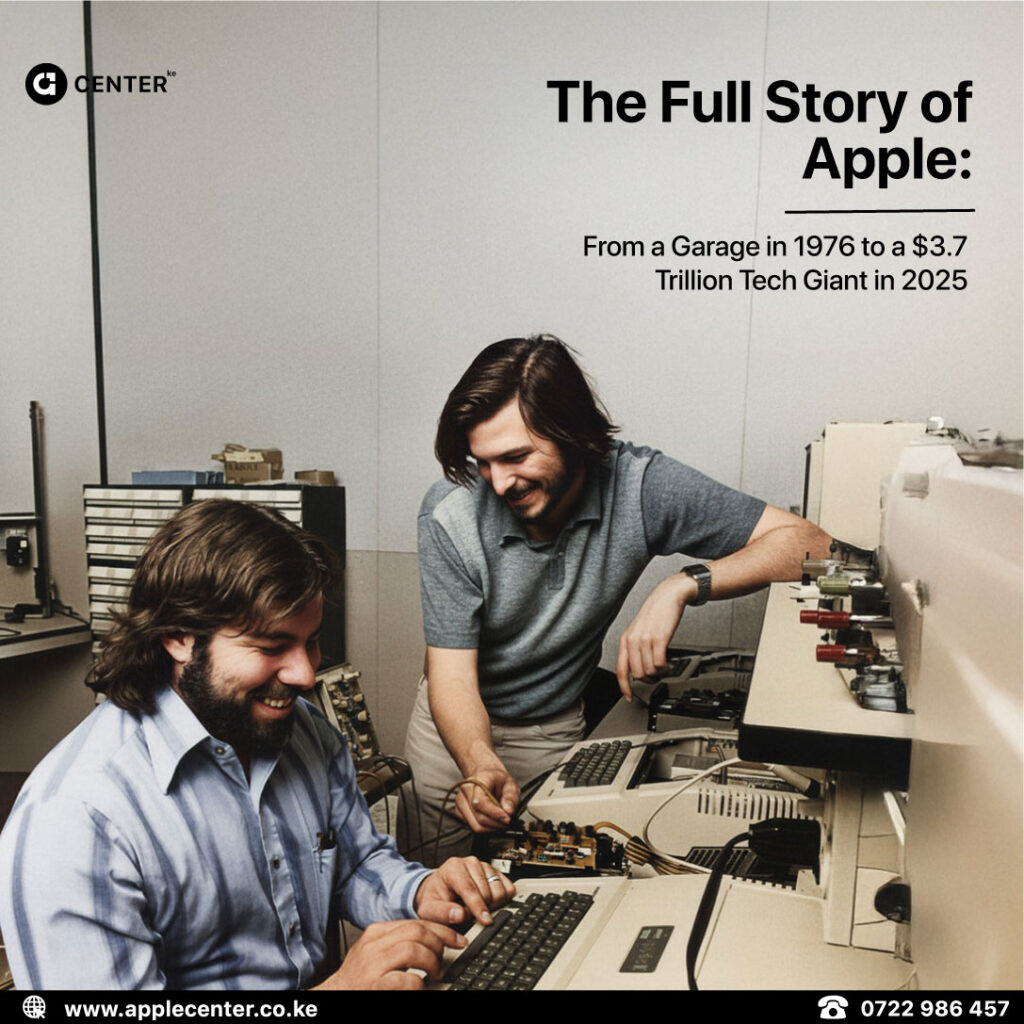
Apple Computer Company was founded on April 1, 1976, by Steve Jobs and Steve Wozniak. Wozniak built the Apple I, a bare circuit board sold mainly to hobbyists. Jobs pushed to sell it, and the two famously sold personal items to fund early production. The Apple I was limited, but it proved the idea: computers could be personal.
Then came the breakthrough. In 1977, the Apple II arrived as a complete, consumer-friendly machine, with color graphics and a ready-to-use design that helped it spread into homes and schools. Apple’s rise accelerated fast. By 1980, the company went public, and the garage project had turned into a serious tech player.
Macintosh Brings the GUI to the Masses (1984)

Apple’s defining ‘80s moment was the Macintosh. In 1984, it launched alongside a now-legendary Super Bowl ad, and it introduced a graphical user interface and mouse to a wider audience. Windows, icons, menus, point-and-click, it made computers feel approachable, almost friendly. The Mac became a cultural symbol of innovation, but inside Apple, tensions were building.
Jobs vs. Sculley: The Exit (1985)

Jobs had brought in John Sculley as CEO, but after the Mac launch, the two clashed over strategy. In 1985, Jobs lost power in a boardroom fight and left Apple. He went on to found NeXT and later bought what became Pixar, while Apple moved forward without its most famous visionary, and struggled to keep its identity sharp.
The Wilderness Years (1985–1996)

Through the late ‘80s and early ‘90s, Apple had bright spots, but its product strategy became messy. Too many models, unclear direction, and increasing pressure from Windows PCs. Projects like the Newton showed ambition, but did not save the company’s momentum. By the mid-1990s, Apple was in real trouble financially and culturally, with many openly questioning whether it could survive.
To modernize its aging software foundation, Apple bought NeXT in 1996, and with that purchase came the return of Steve Jo
The Comeback: Jobs Returns and Apple Refocuses (1997–98)

Jobs came back in 1997, first as an advisor, then as interim CEO. He cut projects, simplified the product lineup, and made controversial but practical moves, including a deal with Microsoft that helped stabilize Apple. More importantly, he reignited Apple’s obsession with design and clarity.
In 1998, Apple launched the iMac G3, a bold, colorful all-in-one that looked like nothing else. It was playful, simple to set up, and made Apple feel relevant again. The message was obvious: Apple wasn’t dead, it was waking up.
iPod and iTunes: Apple Takes Over Music (2001–2003)
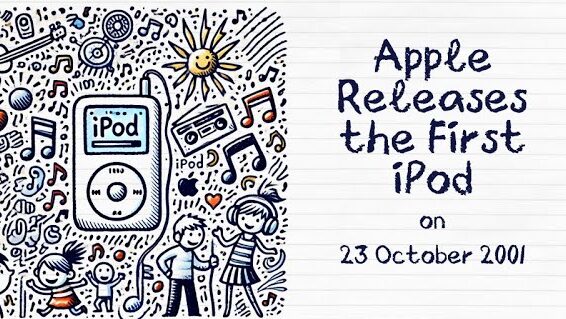
In 2001, Apple expanded beyond computers with the iPod, pitching “1,000 songs in your pocket.” Paired with iTunes, it made digital music feel effortless instead of annoying. Then in 2003, the iTunes Music Store made legal downloads simple and mainstream, when piracy was still the default for many listeners.
The iPod became a pop-culture object, and Apple suddenly wasn’t just a computer company anymore. It was a lifestyle brand, with a growing ecosystem.
Intel Macs: A Strategic Engine Swap (2005)

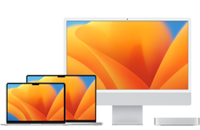
In 2005, Apple announced Macs would transition from PowerPC to Intel processors, completing the shift by 2006. It boosted performance, especially for laptops, and made it possible to run Windows on a Mac if users wanted. It was a pragmatic decision that helped Macs grow again, while Apple prepared for an even bigger leap.
The iPhone Changes Everything (2007)

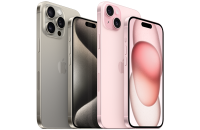
In January 2007, Jobs introduced the iPhone as an iPod, a phone, and an internet communicator in one device. When it launched in June, the full-screen touchscreen and multi-touch gestures made most other phones instantly feel dated. The iPhone didn’t just succeed, it reset expectations for what a phone should be.
That same year, Apple dropped “Computer” from its name, becoming Apple Inc., which was basically Apple admitting, “Yeah, we’re not only doing computers anymore.”
The App Store Turns iPhone Into a Platform (2008)

In 2008, the App Store opened, and the iPhone became more than a device, it became a platform. Third-party apps flooded in, and the idea of “there’s an app for that” became real life. This sparked the app economy and locked Apple into the center of modern digital habits, from communication to entertainment to work.
iPad and the Post-PC Moment (2010)

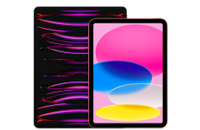
In 2010, Apple introduced the iPad. Early skepticism disappeared once people used it. It was a comfortable middle ground between phone and laptop, perfect for browsing, media, reading, and casual productivity. The iPad pushed the “post-PC” idea into the mainstream, and it expanded Apple’s ecosystem into yet another category it now defined.
iCloud and the End of an Era (2011)
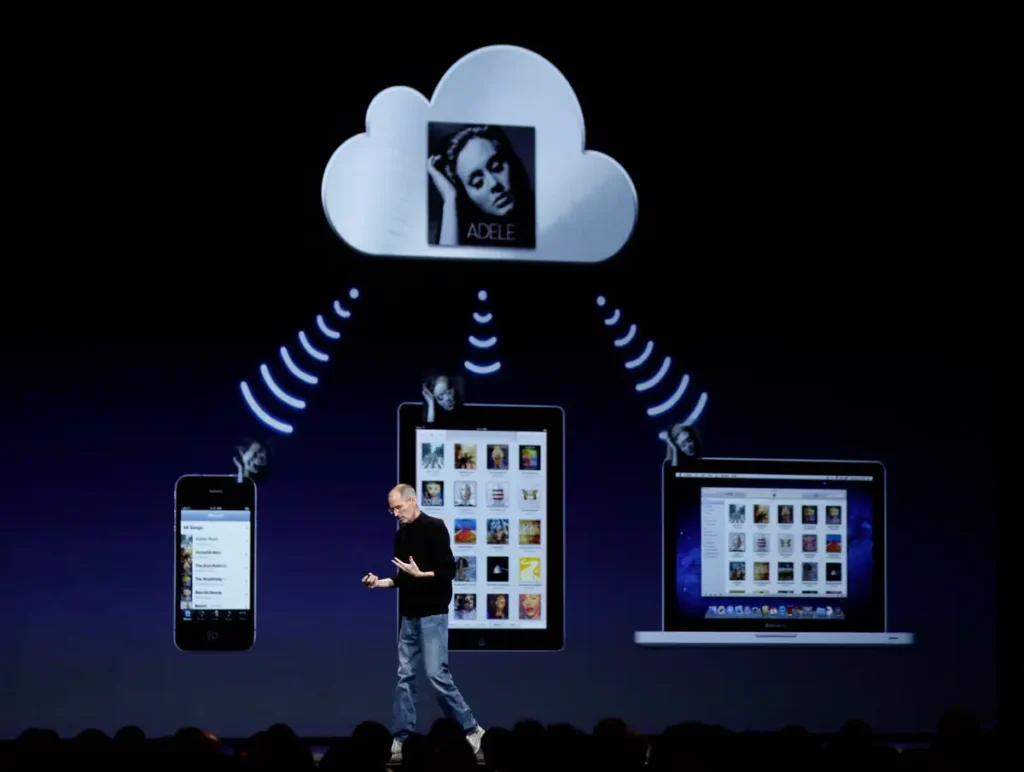
In 2011, Apple introduced iCloud to better sync content across devices, reinforcing the ecosystem strategy: your stuff follows you from iPhone to iPad to Mac without friction.

But 2011 was also a turning point emotionally. Jobs, dealing with serious health issues, resigned as CEO on August 24, 2011, handing the role to Tim Cook. It felt like the closing of a chapter that had shaped not just a company, but a whole era of tech culture. Jobs would pass away in October 2011, but by then Apple had already become a global icon built on product focus, design obsession, and a talent for making complex technology feel simple.
Epilogue
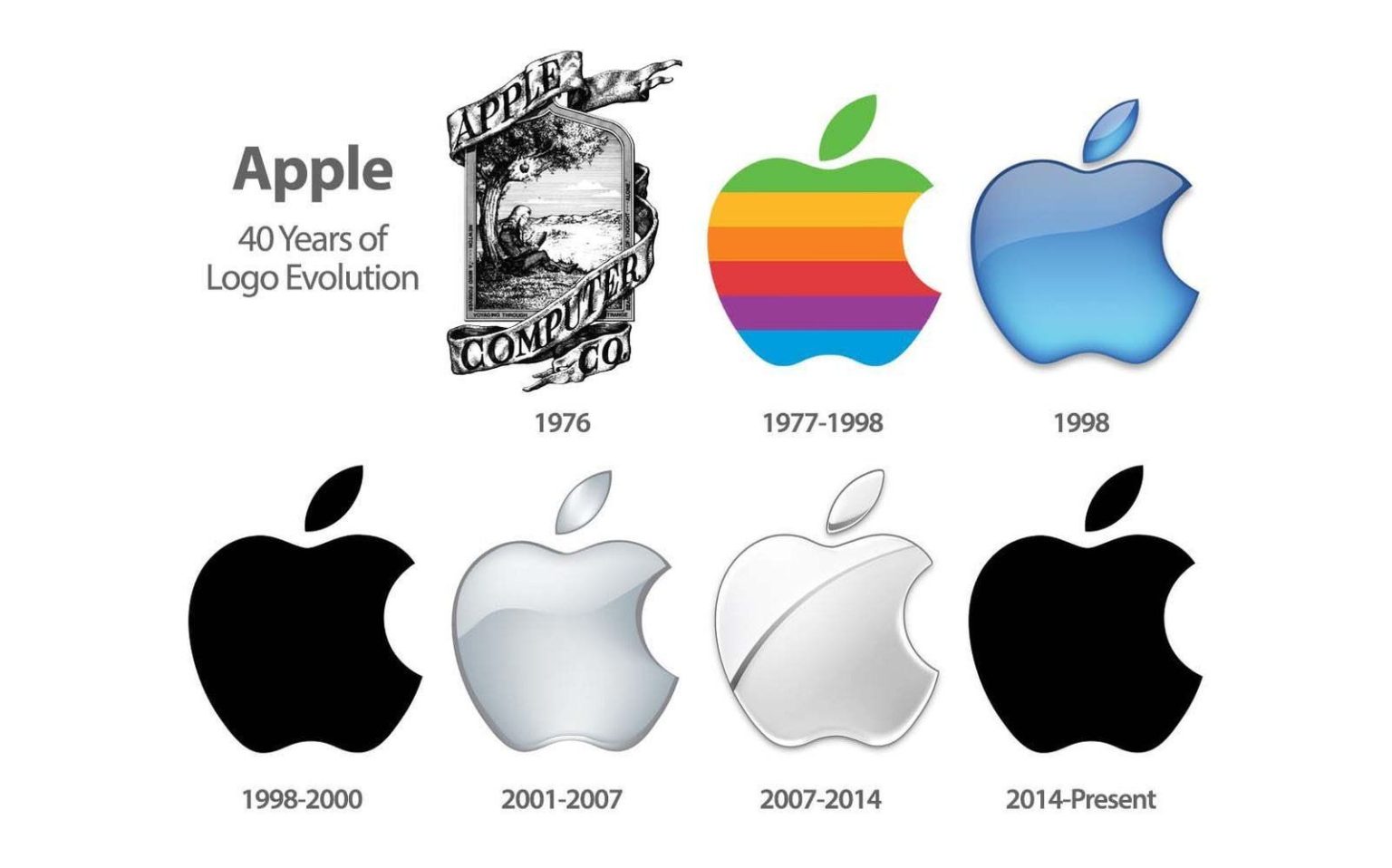
From the Apple I to the iMac, from the iPod to the iPhone and iPad, Apple’s 1976–2011 story is about reinvention under pressure. It’s a reminder that a company can fall apart, crawl back, and still end up writing the rules for everyone else. And by the time Jobs stepped down in 2011, Apple wasn’t just selling devices, it had embedded itself into modern life.















:+From+Garage+Startup+to+Tech+Icon)
:+From+Garage+Startup+to+Tech+Icon&description=&image=https://applecenter.co.ke/wp-content/uploads/2026/02/Apple-History-thumb-1024x1024.jpg)