iPad for Work and Study in Kenya: Why More People Are Switching in 2025
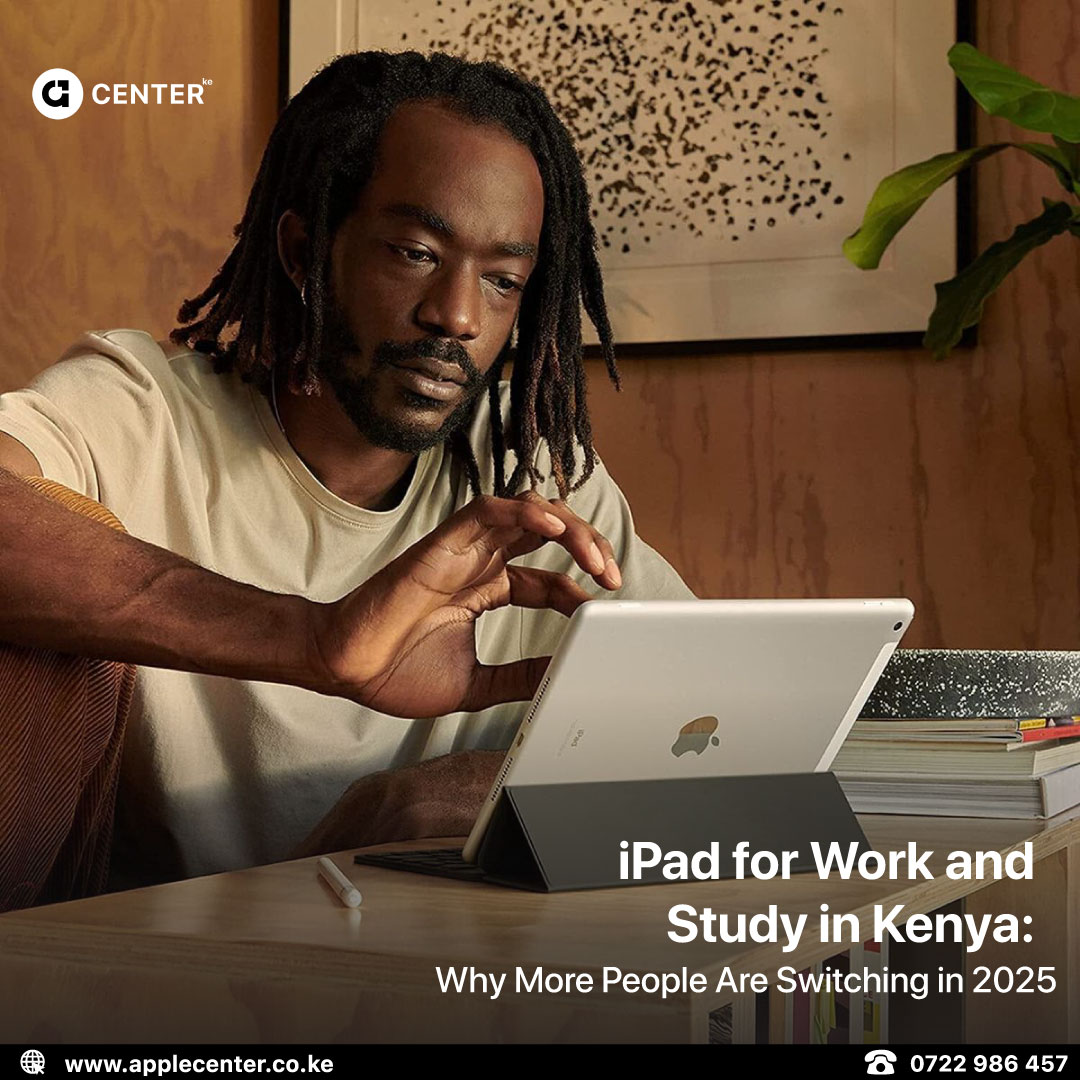
A few years ago, the formula in Kenya was simple. If you wanted to get serious about school or office work, you bought a laptop, installed Office, and carried it everywhere like a badge of productivity.
Fast forward to 2025 and that picture has changed. Walk through any university library, a coworking space in Kilimani, a café in Westlands, or even a boardroom in the CBD and something stands out. More iPads. Students tapping notes on iPads. Entrepreneurs handling email on iPads. Creators editing content. Even teachers planning lessons on them.
It is not hype. It is practicality. The iPad has quietly taken the sweet spot between a phone and a laptop. Big enough to work on, light enough to carry all day, and flexible enough to handle everything from handwritten notes to spreadsheets. And in a country where mobility is the default, it fits how Kenyans actually live and work.
Let’s break down why the shift is happening and how to pick the right iPad for your lifestyle.
Kenya has gone mobile first
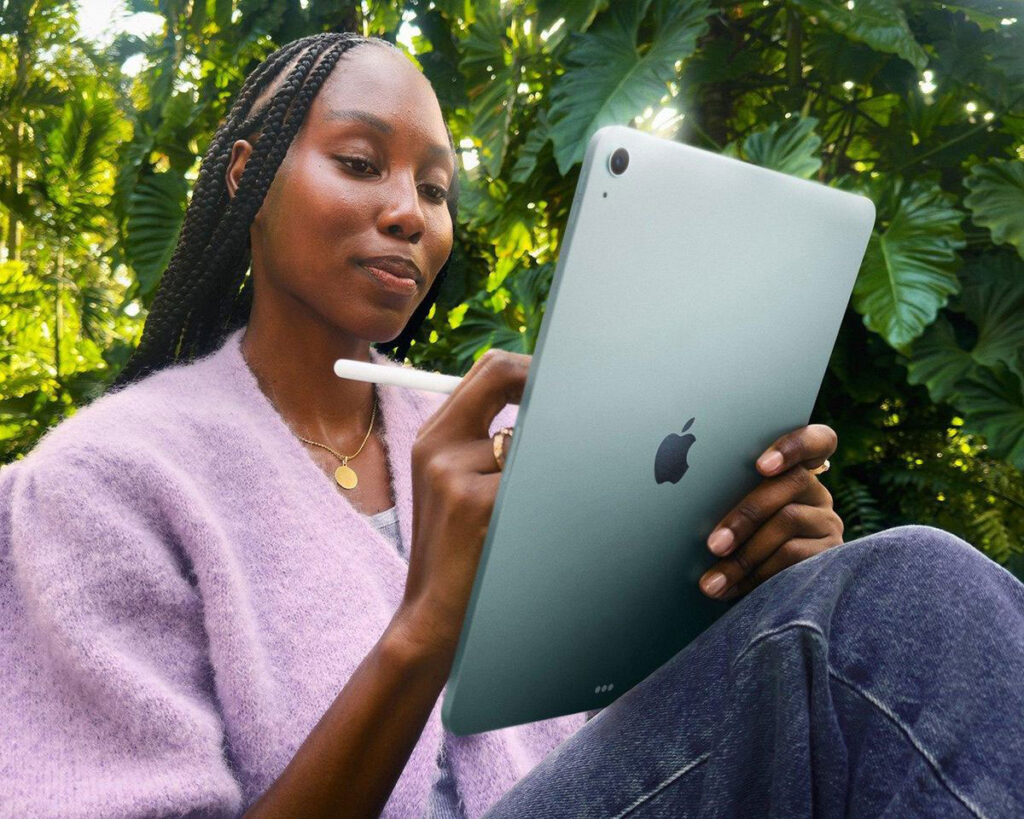
People here do not sit at the same desk from morning to evening. You leave the house, work remotely, rush for class, meet clients, attend group discussions, run a business on the move, handle documents in matatus, answer messages at the supermarket, and watch lectures at night.
A laptop can do some of that, but it slows you down. An iPad slips into the workflow naturally. It is light, starts instantly, and works with touch, keyboard, or stylus depending on what the moment requires. That convenience is what makes it reliable in a fast paced country.
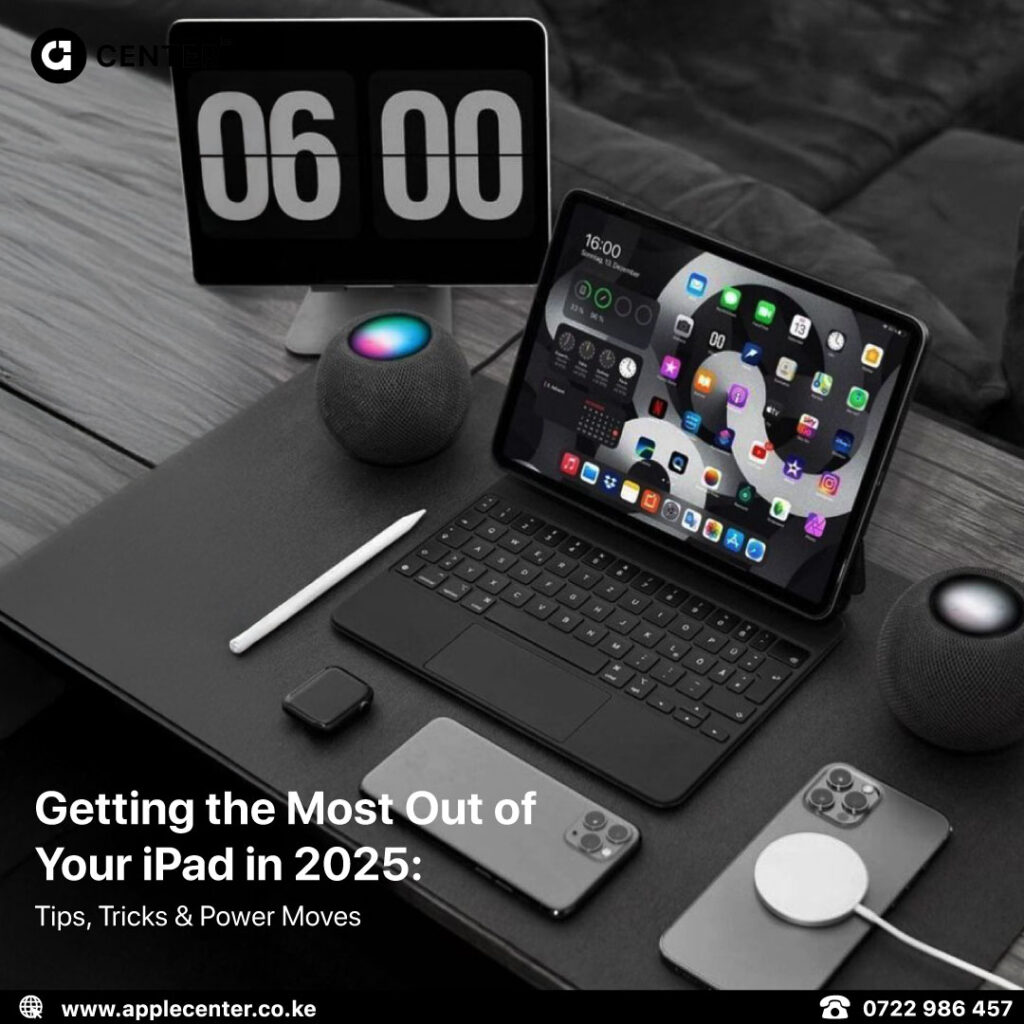
Add a keyboard and you get laptop energy without laptop weight
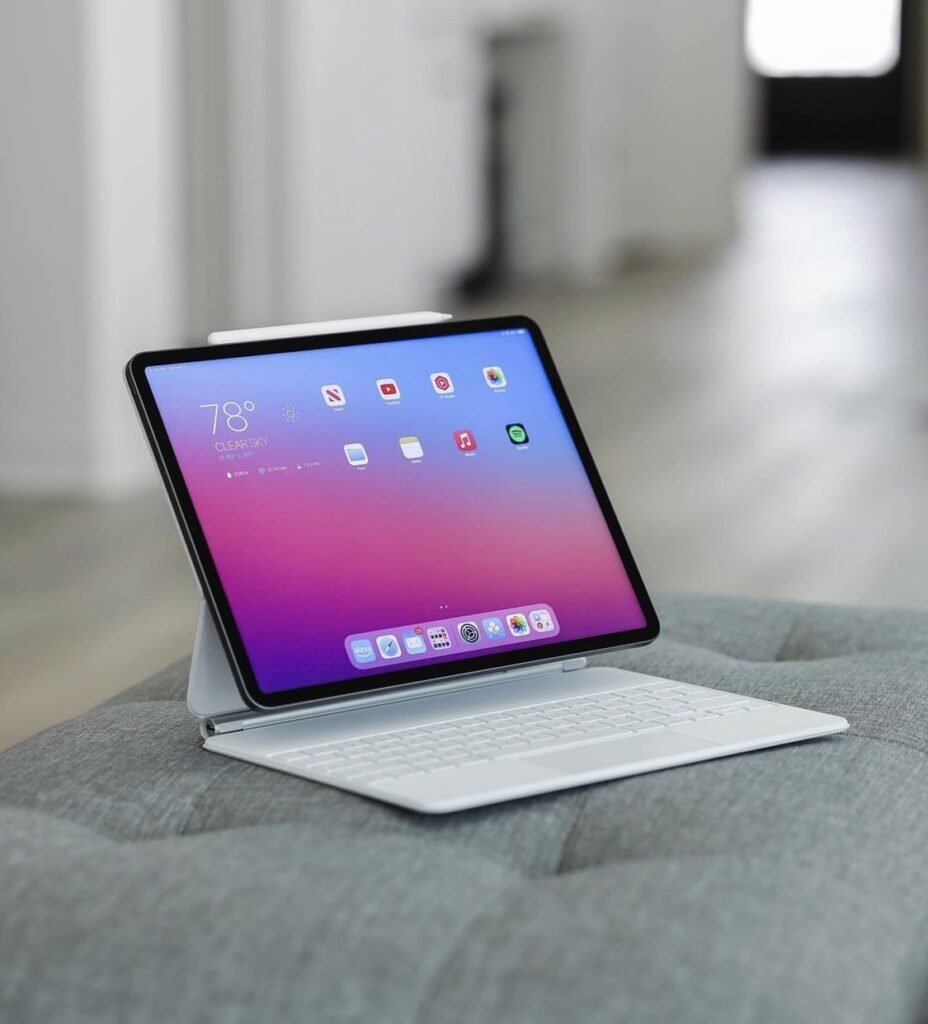
Here is the reason so many Kenyans switched. With a good keyboard case, the iPad suddenly becomes a proper work machine. Assignments, proposals, emails, spreadsheets, presentations, editing PDFs, everything feels familiar.
Then the moment you detach the keyboard, the device snaps back to a tablet. You can read, draw, watch lectures, or take handwritten notes. It behaves like two devices in one. That flexibility is something laptops simply do not do.
Students get the biggest benefit
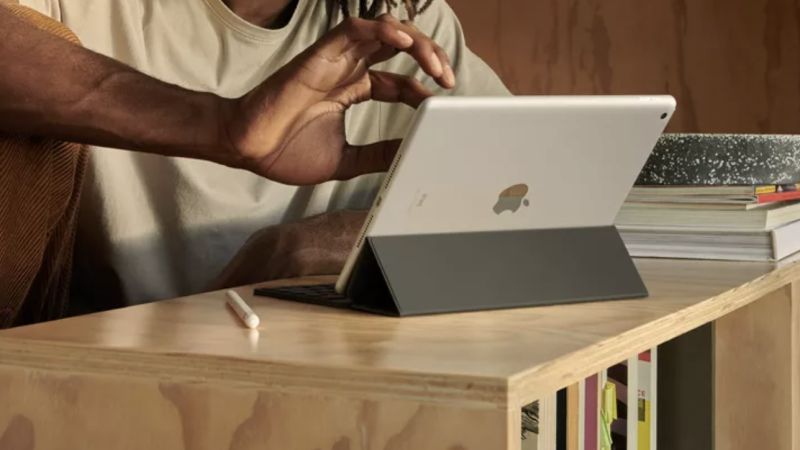
Studying in Kenya today means juggling PDFs, lecture notes, online research, WhatsApp groups, assignments, videos, and revision. The iPad simplifies that entire mess. You can read and highlight PDFs comfortably, handwrite or type notes depending on your style, organize everything digitally, access apps and learning platforms easily, and carry the whole semester in one slim device.
For many students, the iPad basically replaces the backpack. And because handwritten notes still help with memory, pairing it with an Apple Pencil has made it ridiculously popular in campuses.
Professionals are switching too
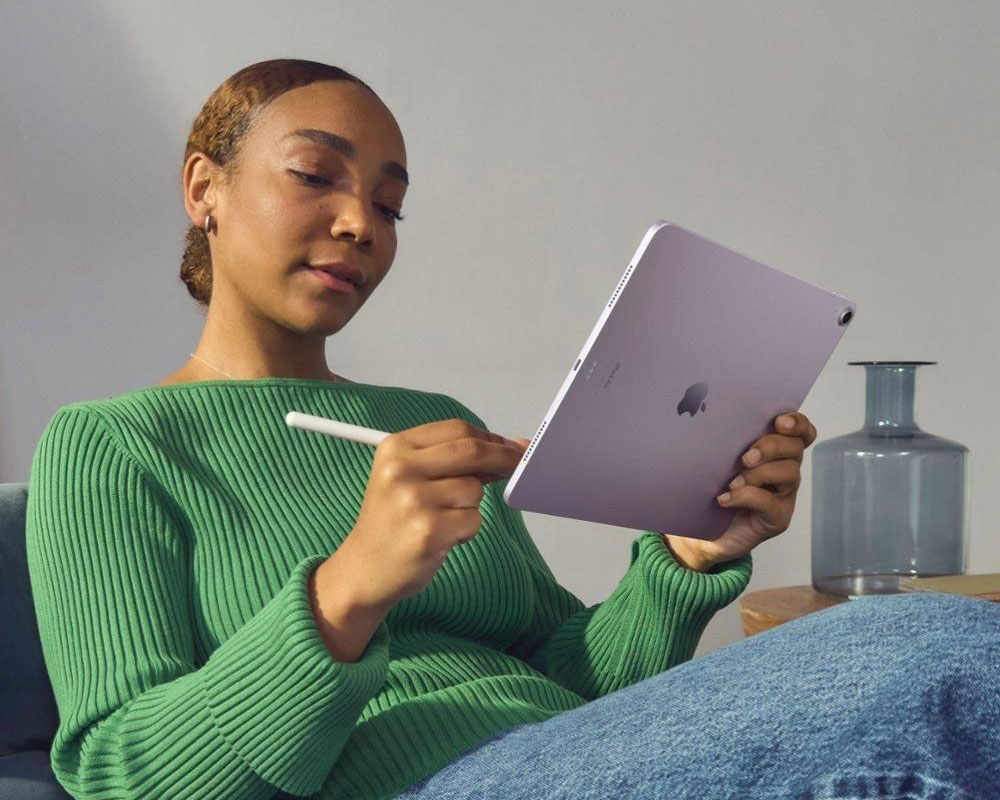
For Kenyan professionals, the iPad hits that balance between power and portability. Email, calendars, presentations, document signing, proposal sharing, video calls, cloud storage, scanning documents with the camera, taking meeting notes, organizing workflow, it handles all of that cleanly.
If you work in sales, consulting, real estate, marketing, or client facing work, the iPad becomes a portable office. It looks professional, it keeps you fast, and it removes the need to carry a heavy machine everywhere.
For creators, it is a dream tool

Kenya’s creator economy is exploding. Photographers, designers, influencers, videographers, brand managers, marketers, and business owners are all building content daily. The iPad gives them an easy workspace for selecting photos, doing layout sketches, writing scripts, creating posters, editing social media visuals, reviewing footage, and planning content.
Even if you finish heavy editing on a MacBook later, the iPad remains the device that travels with you and keeps you productive anywhere.
Battery life matters more here than people admit
Between power outages, long school days, and constant movement, Kenyans need battery life they can trust. The iPad holds up well. It lasts long, wakes instantly, and charges easily with the same cable you use for your iPhone. That alone makes it more practical than many laptops.
Multitasking has finally gotten good
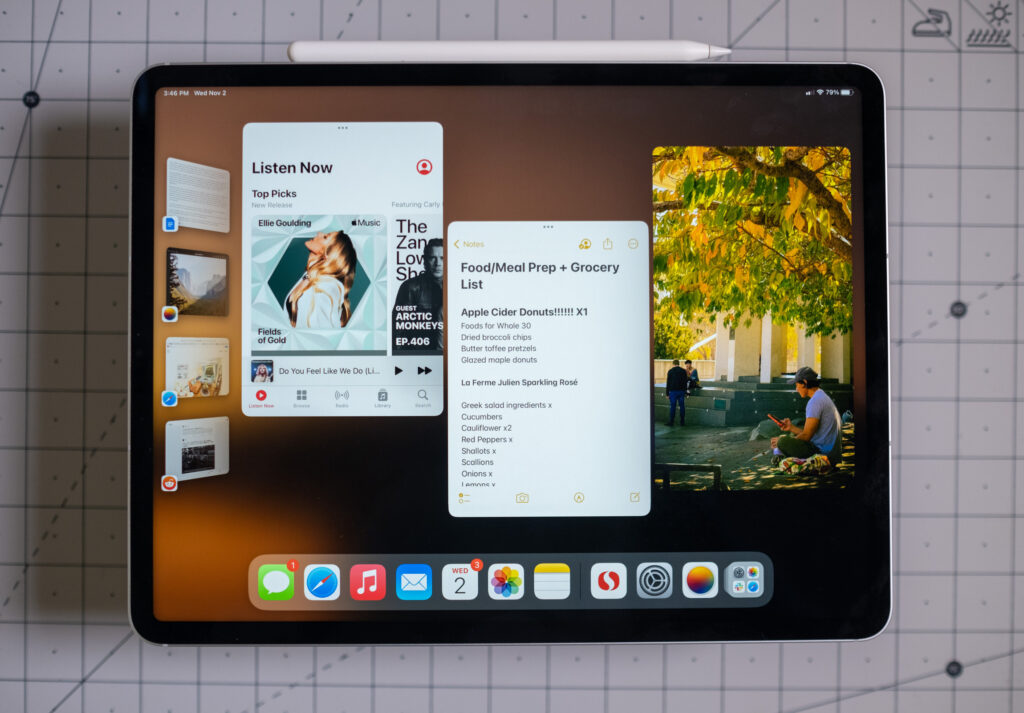
Earlier, iPads struggled with productivity because multitasking felt like a gimmick. Now it works. You can run multiple apps at once, use floating windows, switch tasks fluidly, and create proper workspaces.
A student can read a PDF while taking notes and researching online. A professional can draft emails, reference documents, and respond to messages without losing their workflow. The device finally feels ready for real work.
WhatsApp actually works well on iPad now
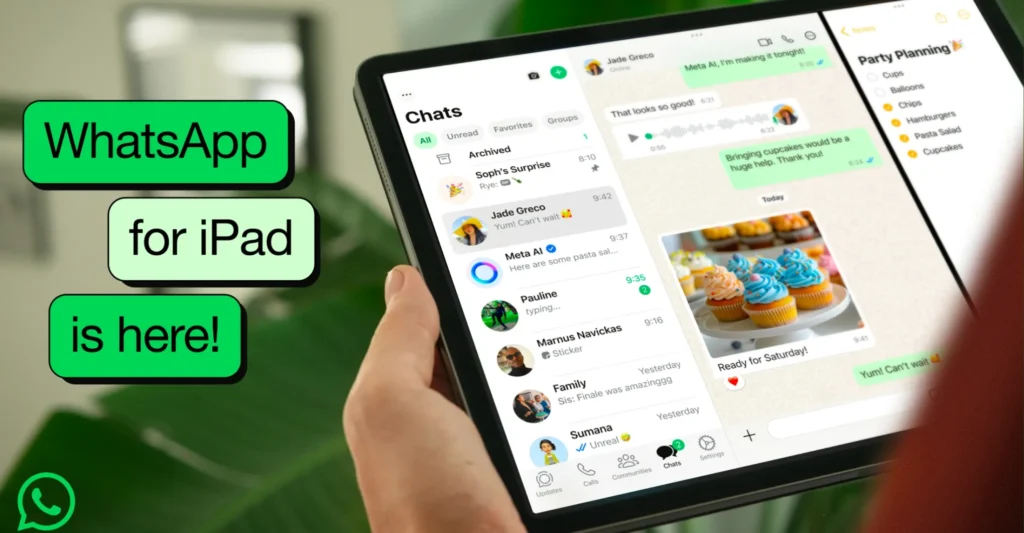
This is huge. Kenya runs on WhatsApp. Class groups, business communication, client follow ups, deliveries, documents, and general coordination all happen there. Now that WhatsApp works smoothly on iPad, it has removed the last excuse people had for carrying laptops everywhere.
How to pick the right iPad in Kenya
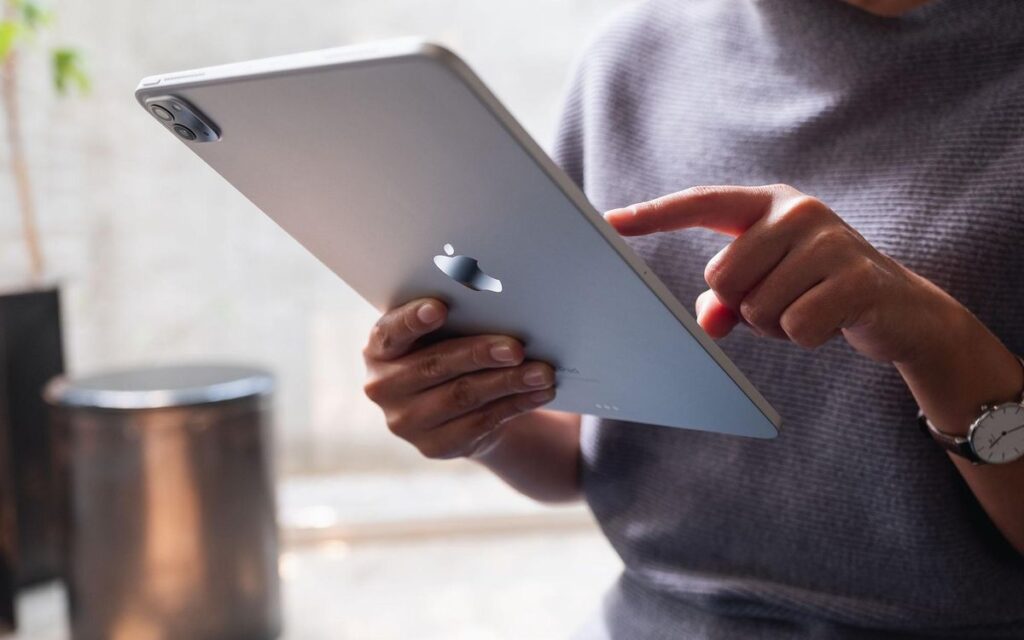
This is where most people mess up. They buy based on hype instead of their actual needs.
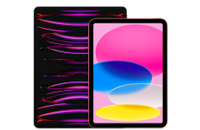
If your work is basic office tasks, schoolwork, assignments, research, and reading, the standard iPad is usually enough.
If you need power without going extreme, the iPad Air fits most Kenyans.
If you are a creator or power user who wants the strongest performance and best display, the iPad Pro is the one.
If you want something small and super portable for travel or meetings, the iPad mini makes more sense.
The second mistake is storage. People underbuy and suffer later because WhatsApp media, photos, files, and apps fill up storage extremely fast. Always plan ahead.
Wi Fi versus cellular is lifestyle based. If you move a lot, get cellular. If you are mostly on stable Wi Fi, you can skip it.
Accessories matter more than people think. A keyboard case and a pencil completely transform the experience. That is what makes the iPad work ready instead of entertainment only.
Can an iPad replace a laptop in Kenya
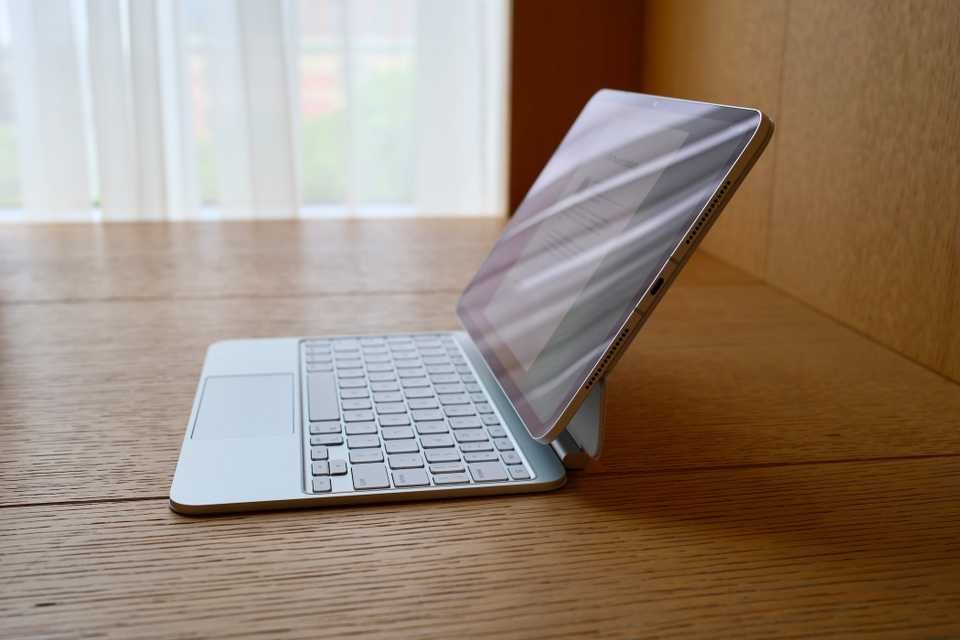
For many people, yes. If your work is documents, emails, research, presentations, meeting notes, content planning, light design, and admin tasks, the iPad can replace a laptop cleanly.
If your workflow needs specific desktop software, heavy editing, certain coding setups, or advanced production tools, then a laptop is still required. Most people fall somewhere in the middle, where combining a laptop and iPad gives the best overall flexibility.
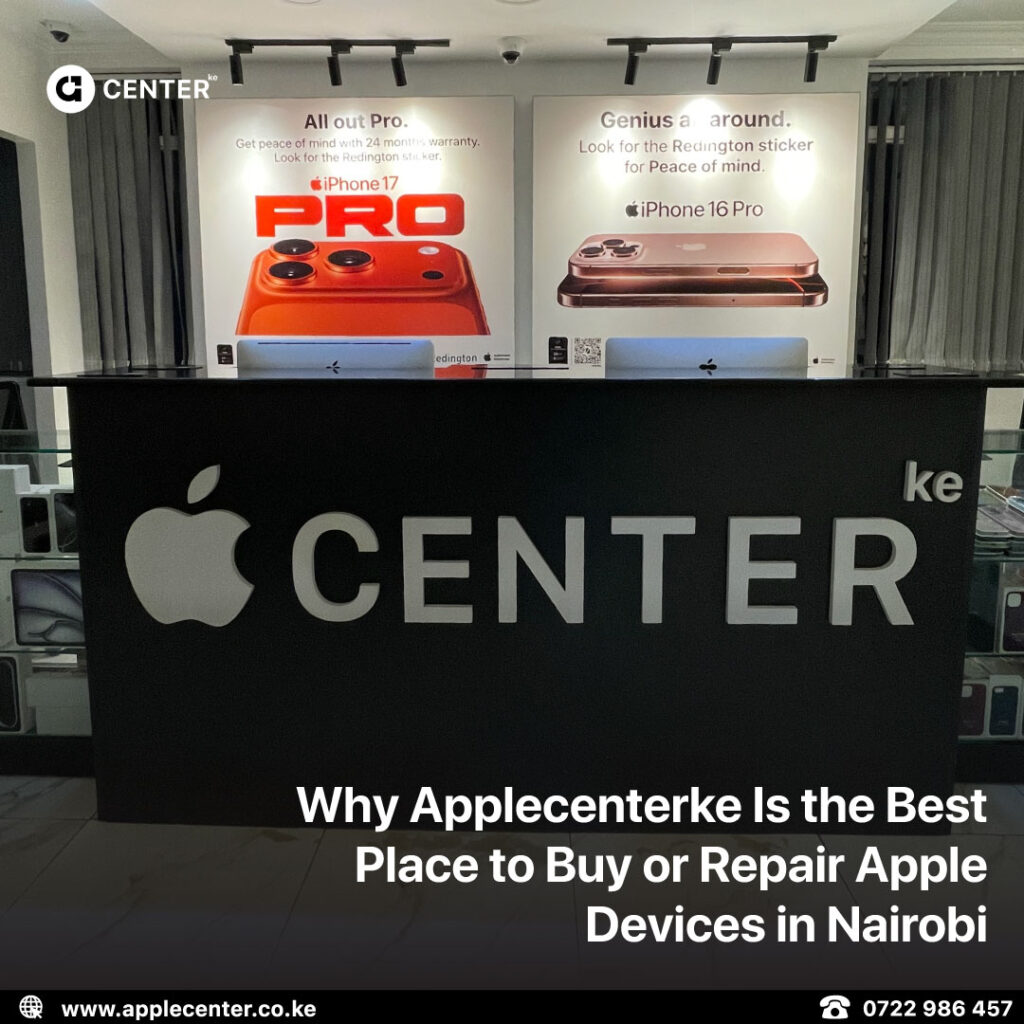
Why Applecenterke is the best place to buy an iPad in Nairobi
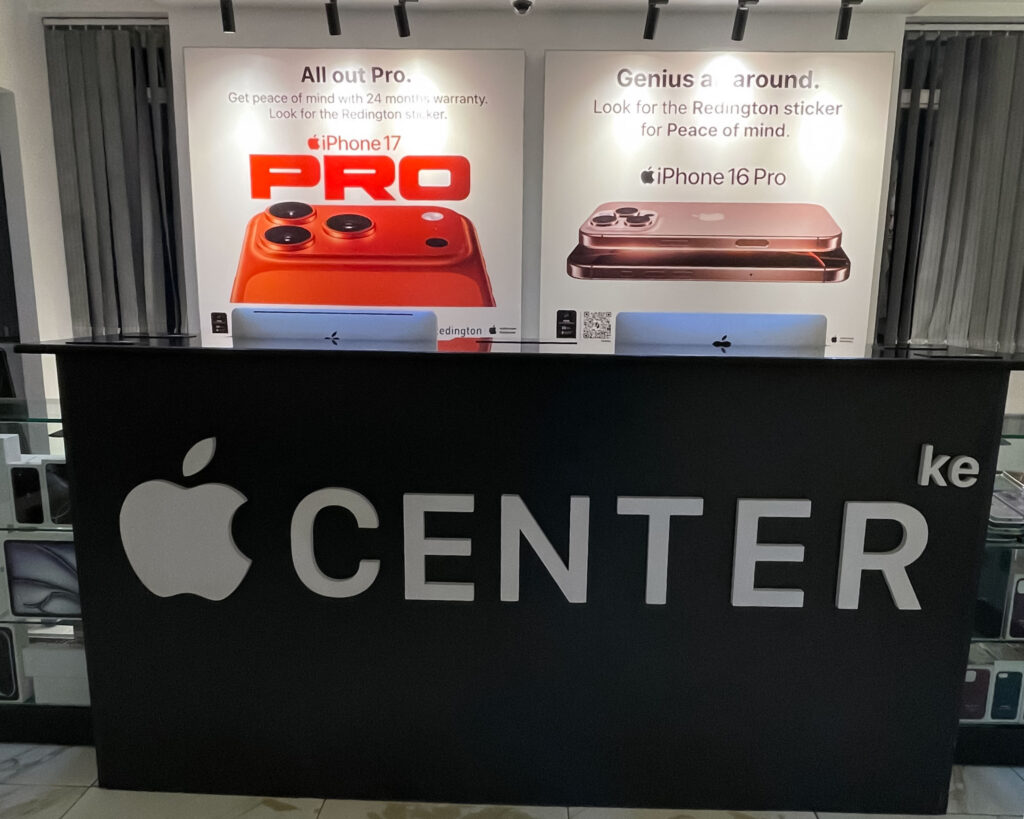
People want four things when buying an iPad. A genuine product. Honest guidance. A stable purchase process. And a shop that will still be there tomorrow if they need help.
That is exactly what Applecenterke focuses on. The team guides you properly instead of pushing random models. They stock genuine iPads and authentic accessories. They help you build the right setup from day one. And they operate from a real, verifiable location in the CBD with a transparent support system.
Because of rising impersonation and scams in Nairobi, deliveries only happen after full payment is confirmed. It keeps everything accountable, documented, and safe for both the shop and the customer.
The bottom line
The iPad is no longer a toy or an entertainment device. In Kenya today, it solves real problems. It matches the pace of modern life. It fits work from anywhere. It supports digital learning. And it feels lighter and more flexible than traditional laptops.
If you are buying one for school or work, the smart move is simple. Choose a model that fits your tasks. Add the right accessories. And buy from a shop you can actually trust.
If you need help choosing, visit Applecenterke at Rehema House on Standard Street, sixth floor. Or reach them on 0722 986 457 or 0735 986 457.