


iPhone Fold Rumours: Is Apple Building a Foldable That Feels More Like a BlackBerry Passport?
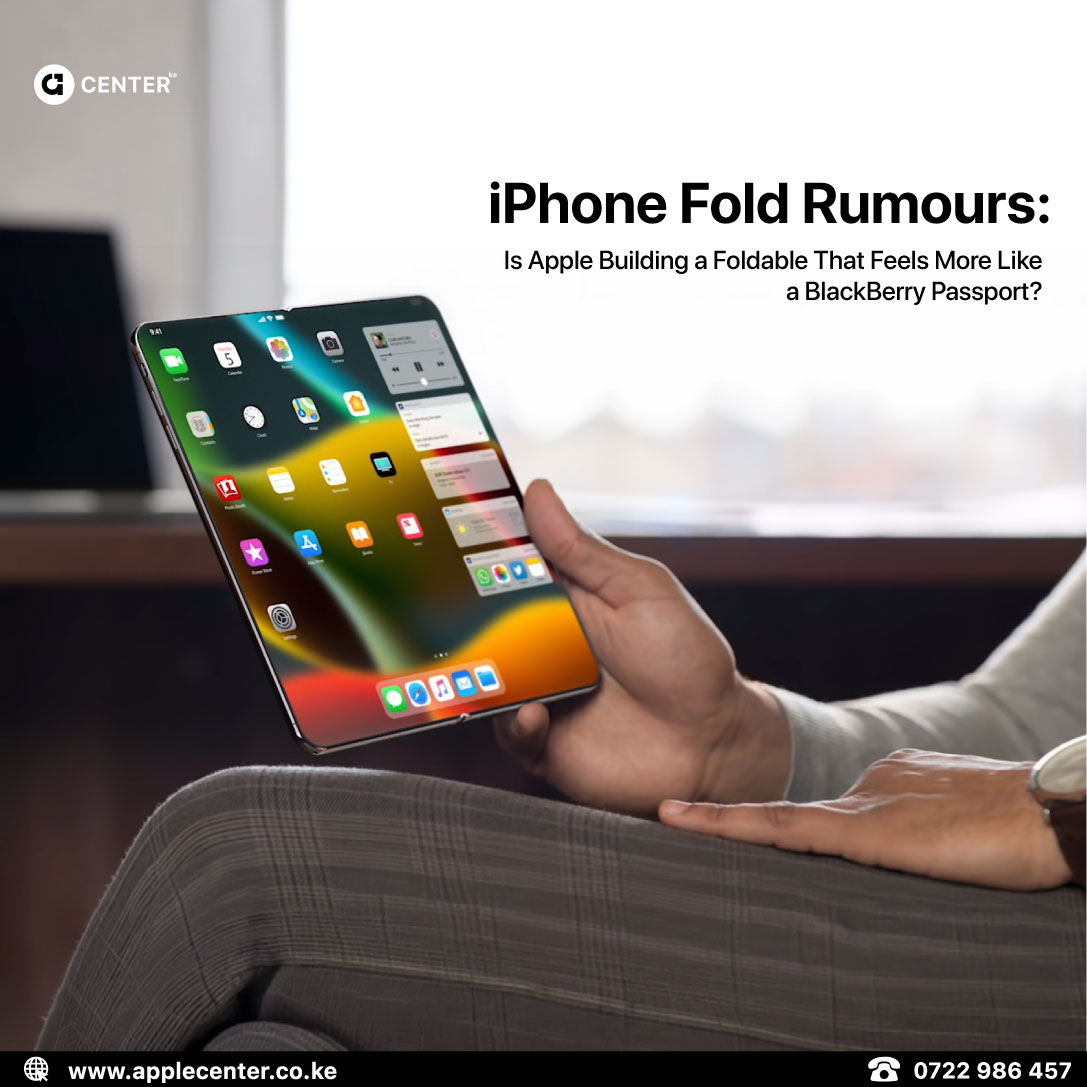
For years, Apple users have watched Samsung, Google, and others experiment with foldable phones and asked the same question again and again. When does Apple finally do one? As we move closer to 2026, the noise around Apple’s first foldable iPhone is getting louder. Multiple leaks now point to a real product in development, often referred to as the iPhone Fold, with a possible announcement window in late 2026 and wider availability likely in 2027 due to the complexity of foldable hardware.
But the timing is not the most interesting part. What really matters is the design direction Apple seems to be taking. Instead of copying Samsung’s tall, narrow foldable style, Apple may be going in a very different direction. Recent rumours suggest that when closed, the iPhone Fold could resemble a modern, all screen version of the BlackBerry Passport. Shorter, wider, and more square than today’s smartphones. That single decision would change how the device feels and how it is used every day.
When Could Apple’s First Foldable Actually Launch?
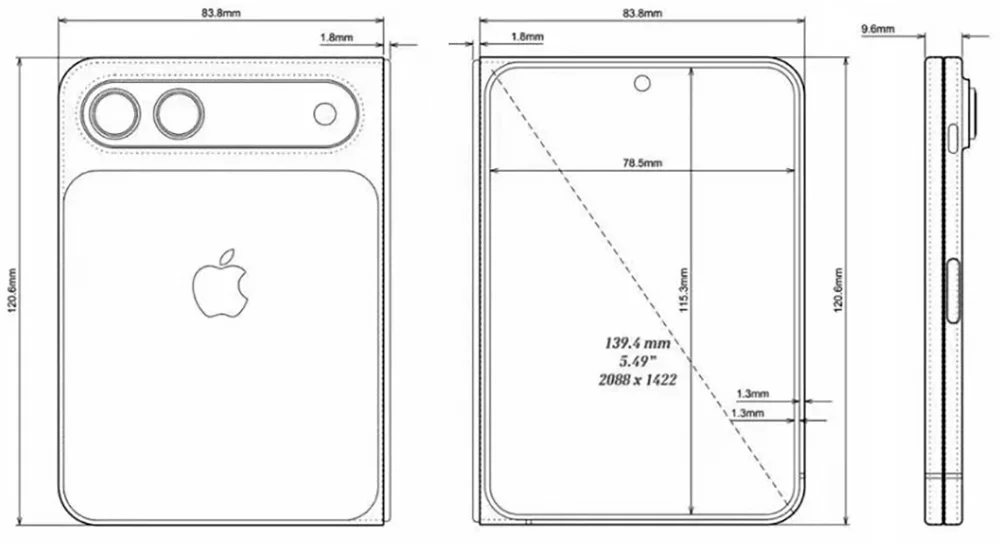
Apple has not confirmed anything publicly, so everything we know comes from leaks, analyst reports, and Apple’s historical behaviour. The most realistic picture right now points to a late 2026 announcement, followed by limited early availability. Broader access would likely come in 2027 once production scales and the hardware matures. This fits Apple’s usual approach. They rarely rush into new product categories. When they enter, they aim to deliver something polished rather than experimental.
In other words, the iPhone Fold is not a near term upgrade for most people. It is a longer term shift Apple is quietly preparing for.
Why the BlackBerry Passport Comparison Actually Matters
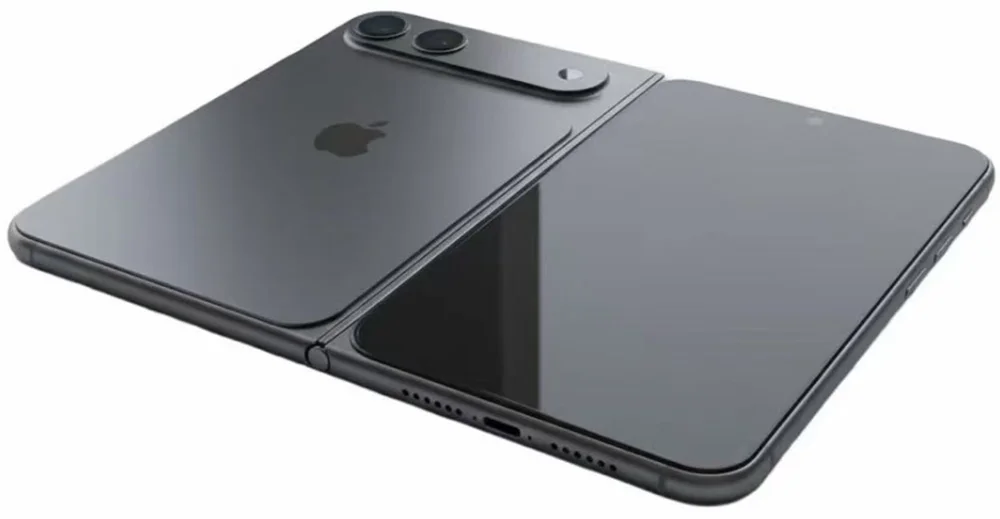
The BlackBerry Passport was memorable for one thing above all else: its shape. It was short, wide, and almost square from the front. It prioritised reading, typing, and productivity over one handed scrolling. Now apply that philosophy to a foldable iPhone.
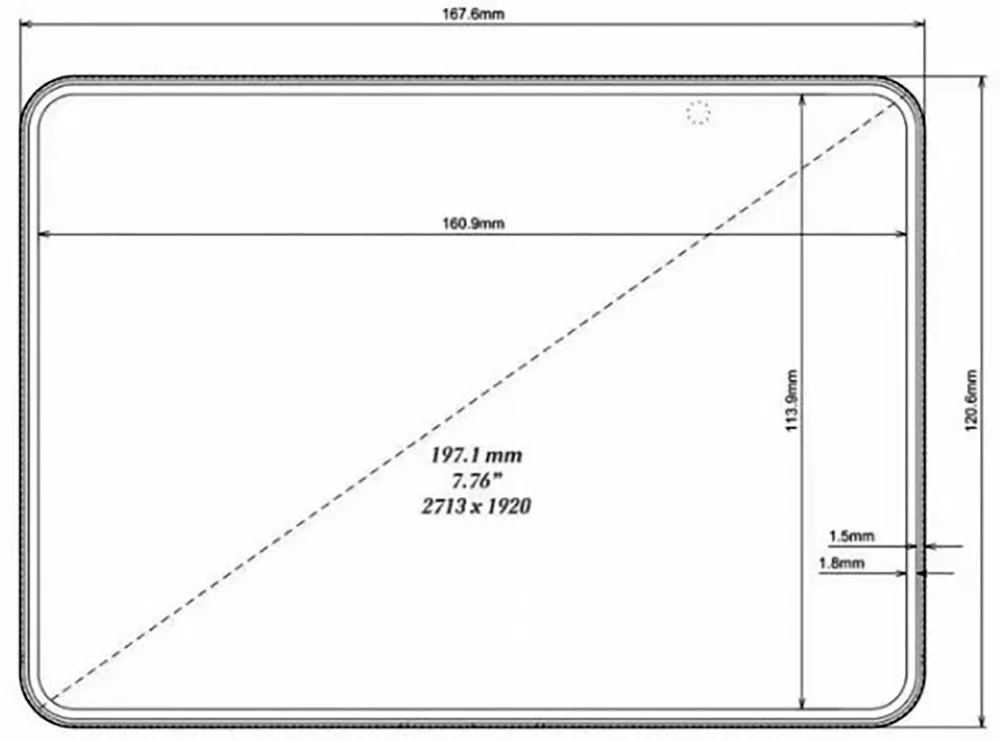
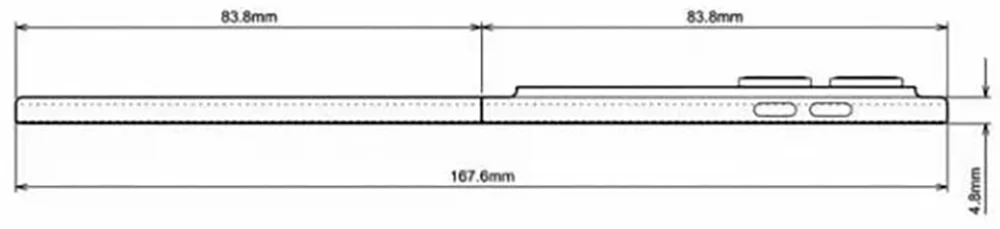
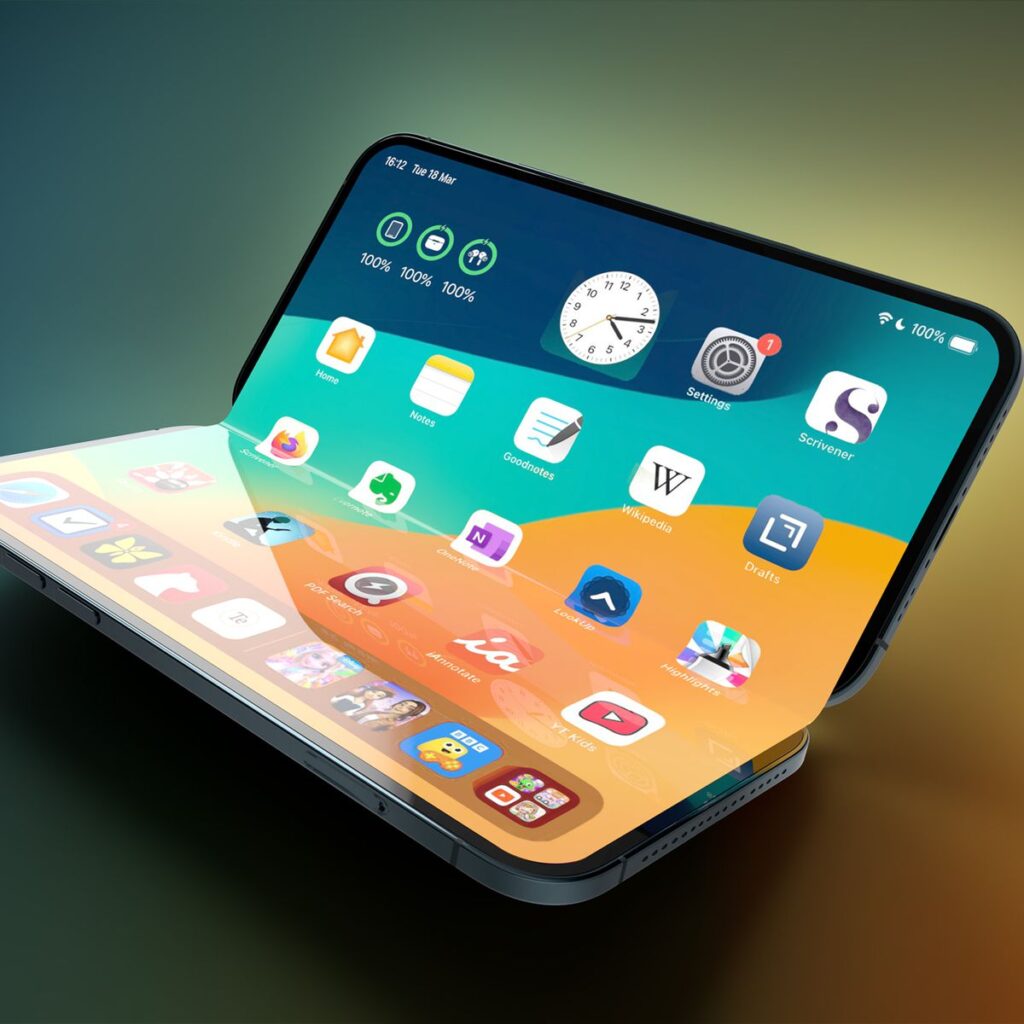
Current leaks suggest that when closed, the iPhone Fold could have a wider front display instead of the tall, narrow screens seen on most foldables today. The outer display is rumoured to be around 5.3 to 5.5 inches, while the inner display could land between 7.6 and 7.8 inches. More importantly, the inner screen is expected to use a tablet style aspect ratio rather than a stretched phone shape.
This suggests Apple is not trying to make a phone that unfolds into a bigger phone. The goal appears to be a phone that unfolds into something closer to a mini iPad. That is where the Passport comparison really comes from. A device designed around comfort, work, and usability rather than pure novelty.
A foldable that feels like an iPhone and an iPad combined
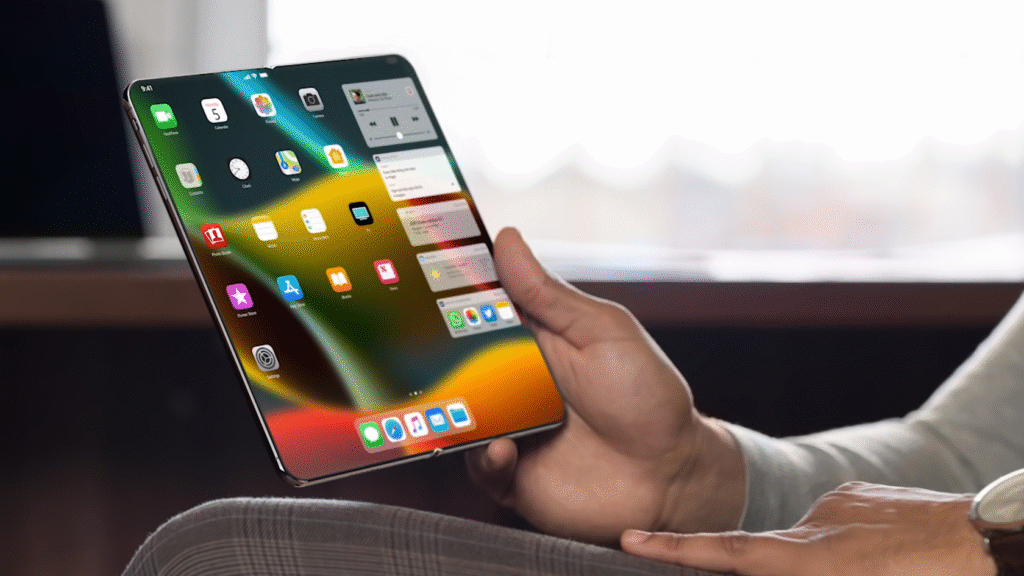
If these rumours are accurate, the iPhone Fold is meant to behave like two devices in one. When unfolded, you get a wide, comfortable display for email, documents, browsing, videos, maps, and multitasking. Spreadsheets, dashboards, and PDFs actually fit properly instead of feeling squeezed. When folded, you are back to a compact, wide phone that is easier to type on and more comfortable to read than today’s tall slabs.
For people who move constantly between work, travel, meetings, and downtime, this hybrid approach makes a lot of sense. One device that adapts based on how you are using it at that moment.
Face ID or Touch ID: a deliberate trade off
One of the more surprising rumours is that Apple may skip Face ID on the first foldable. The reasoning is practical rather than dramatic. Face ID hardware takes up space, and in a foldable device, space is everything. Thickness, hinge design, and internal layout become much more complex when additional sensors are involved.
Instead, Apple may bring back Touch ID in the power button, similar to what we see on some iPads. In daily use, this could actually work extremely well. A quick thumb unlock as you pick up the device, without needing to angle it toward your face. While some users will miss Face ID, a well implemented fingerprint sensor fits a foldable form factor more naturally than many people expect.
Battery life, durability, and the crease problem
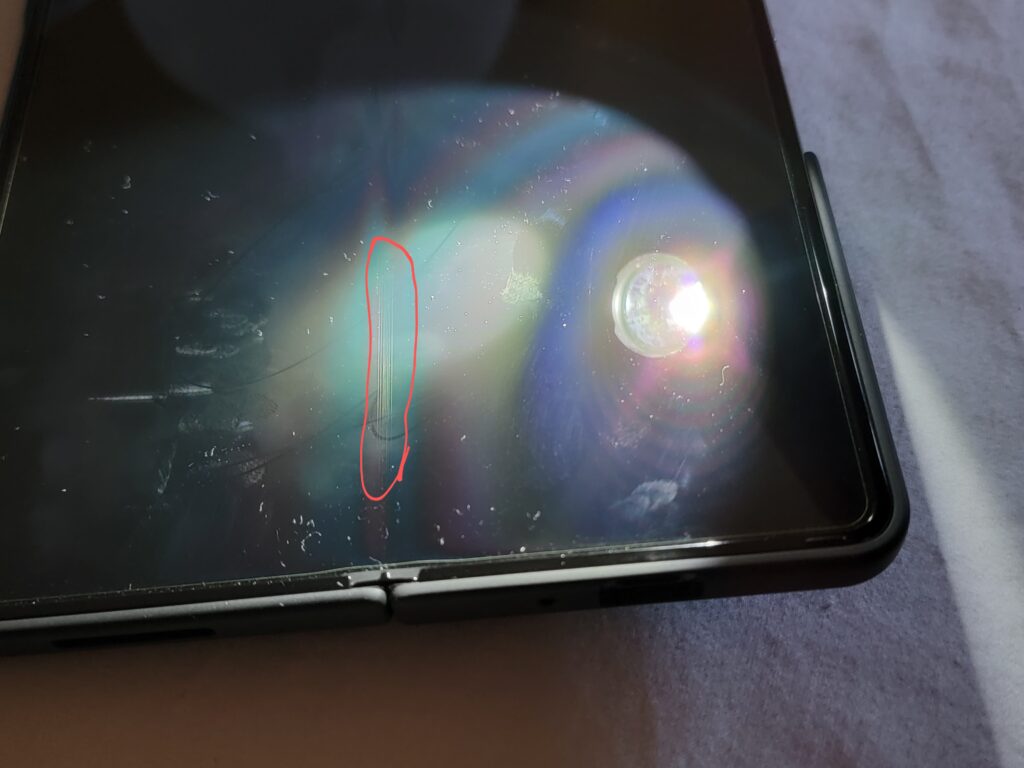
Foldable phones are usually criticised for three things: battery life, visible creases, and long term durability. According to current leaks, Apple is taking all three seriously. Early reports point to a much larger battery than a standard iPhone, possibly in the 5,000 to 5,500 mAh range. There is also heavy focus on hinge engineering to minimise the crease and improve structural strength over time.
Performance should not be an issue. Expect a top tier Apple Silicon chip designed specifically for large screen multitasking and future system intelligence features. If Apple gets this right, the iPhone Fold could be one of the first foldables that genuinely feels solid and lasts a full day without compromise.
Price expectations, and why this will not be mainstream at first
Let’s be honest. The iPhone Fold will not be cheap. Early estimates place it above current Pro Max models, firmly positioning it as a halo product. This will likely be Apple’s most premium iPhone category, not a mass market replacement for the standard lineup.
That means the first generation will appeal mostly to early adopters, professionals, and creators who can fully benefit from the extra screen and flexibility. It is not designed to replace the regular iPhone overnight.
How this could change everyday use
If Apple executes this design properly, the impact could be meaningful. For productivity, unfolding your phone instantly gives you a proper workspace for documents, dashboards, and presentations. For learning, reading notes, ebooks, and PDFs becomes far more comfortable, especially with split screen multitasking. For creators, the larger inner display offers more room for editing, planning, and reviewing content, while folding back into a familiar iPhone for filming and posting.
For travel and lifestyle use, the unfolded screen works beautifully for maps, planning, and entertainment, while the folded form stays compact and pocket friendly. This is where a foldable makes sense, not as a gimmick, but as a genuinely flexible tool.
Should you actually wait for the iPhone Fold?
This depends on your priorities. Waiting makes sense if you enjoy being an early adopter, want the most versatile form factor possible, and are comfortable with very premium pricing in the 2026 to 2027 window. Waiting does not make sense if your current phone is already holding you back or if most of your usage is still messaging, social media, photos, and light work.
By the time the iPhone Fold is fully mature, the regular iPhone lineup will also have moved forward with better cameras, improved battery efficiency, and deeper system intelligence. For many people, upgrading through the normal iPhone generations will remain the smarter choice.
Final thoughts
If Apple’s first foldable really does take inspiration from the BlackBerry Passport, that tells us something important. Apple is not trying to copy what already exists. They are trying to build a foldable that feels intentional, comfortable, and genuinely useful. For now, the iPhone Fold remains a rumour, but it is a rumour that makes sense.
And while Apple works toward that future, today’s iPhone, iPad, and Mac lineup already offers more power than most people fully use. Foldable or not, the real upgrade is choosing the right device for how you actually live and work.